



What is a Product Roadmap? A Practical UK Guide.
What is a product roadmap? A guide to defining, creating, and using a roadmap to align teams and deliver successful digital products.
Product Roadmaps.
What is a product roadmap? It is a shared, high-level plan that shows what a product team will build, in what order, and why, tied to the business goals the product is meant to move. It sits above the backlog and below the strategy. It is not a list of features with dates bolted on.
That distinction is where the trouble starts. People asking what is a product roadmap are rarely asking a theory question. They want to stop the team building whatever shouted loudest last week, which is exactly what a discovery phase is for.

The bit where someone finally asks why we are building it.
When a roadmap is ready to become a working product, a UK app development agency like Arch can take it from discovery through to launch.
Key Takeaways
- The short answer to what is a product roadmap: a plan of intended outcomes, sequenced, with the reasoning attached.
- Roadmaps are strategic. Backlogs are execution detail. Business plans are commercial. Confusing the three is the most common failure.
- The dominant 2026 shift is outcome-based roadmapping: plan for the result, not the feature.
- Most roadmaps fail on strategy disconnect, not on tooling.
What is a Product Roadmap, and What is it Actually For?
A roadmap has one job: to make priorities and their reasoning visible to people outside your daily standups. Leadership, finance, sales, and any delivery partner should read it and reach the same conclusion about what matters, which is really keeping stakeholders aligned.
That is harder than it sounds, because roadmaps get built in whatever planning time is left. Product-Led Alliance's 2026 research found 72.2% of product managers spend a quarter of their time or less on strategy, and only 6.1% give more than half their time to strategy work. A roadmap carries a lot of strategic weight built in very little strategic time.
Atlassian's State of Product report found 84% of product teams worry their current products will not succeed. A roadmap will not fix a bad product idea. It will surface the assumption early enough to argue about it before the money is spent.
What a Product Roadmap Actually Includes
A useful roadmap carries five things. A feature list carries one.
Themes or goals. The strategic areas the product is investing in, such as reducing onboarding drop-off.
Initiatives. The bodies of work under each theme: chunks of effort a stakeholder can understand, not tickets or user stories.
Time horizons. Now, next, later. Near-term items are concrete. Distant items stay thematic, because pretending otherwise is a lie with a date on it.
Owners. One name per initiative. Shared ownership tends to mean nobody decides.
Success measures. What should be different if this works. Without them, the roadmap is storytelling with no consequence.
A feature list grows by accumulation. A product development roadmap improves by selection, tracking the wider stages of product development, which is why it is slower to build and considerably more useful.
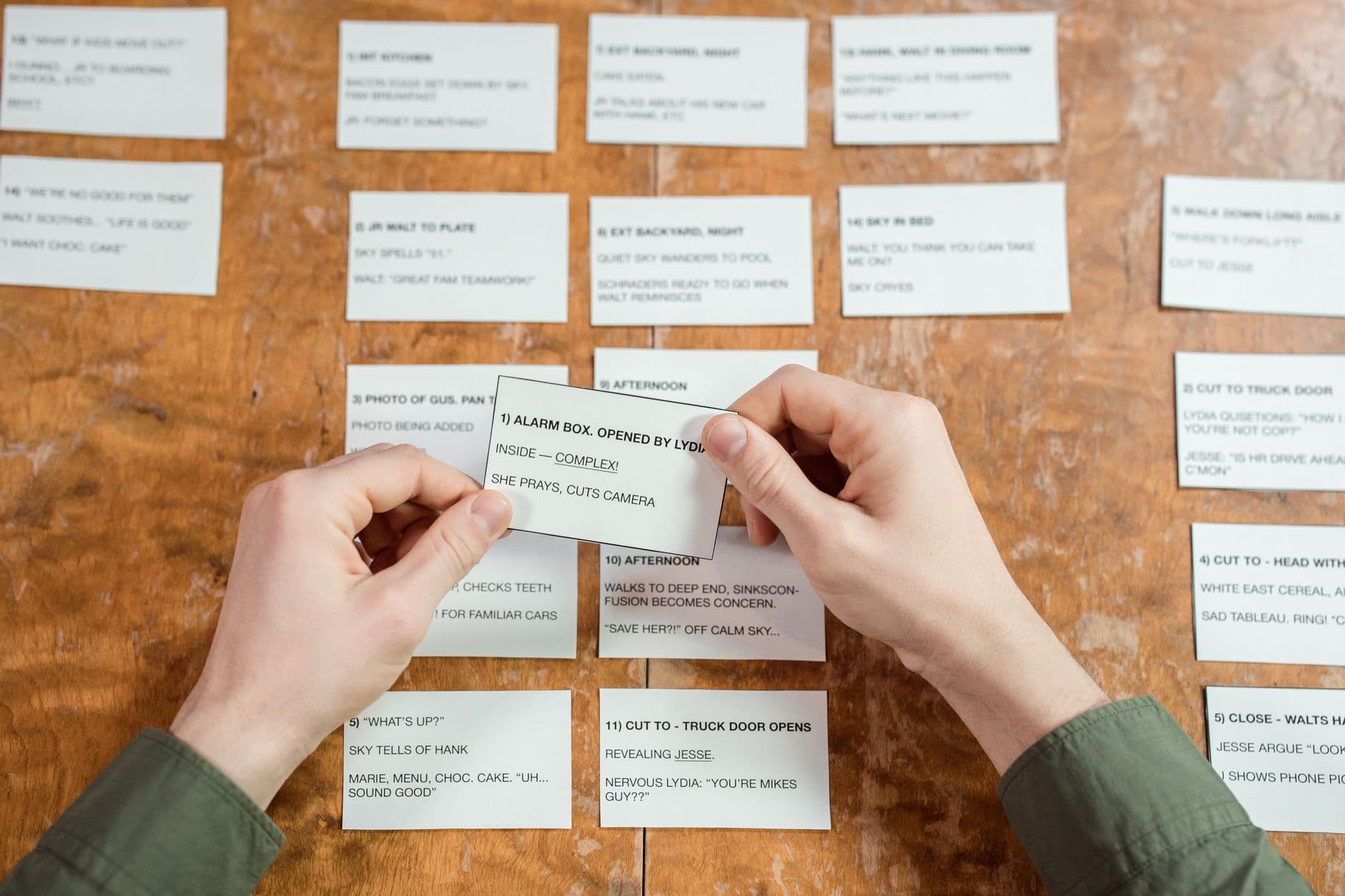
Selection, not accumulation. This is the whole difference.
Product Roadmap vs Backlog vs Business Plan
Half the confusion around what is a product roadmap comes from these three being used interchangeably in meetings.

The backlog is where roadmap initiatives get broken into work. The business plan is where the roadmap gets its goals. If your roadmap reads like a release checklist, you have a delivery memo.
The Main Types of Product Roadmap
Format is a decision about how much certainty you are willing to claim, and it changes the answer to what is a product roadmap for your team. Pick badly and the roadmap starts working against you.
Now, Next, Later
Three columns, no dates. Suits a startup product roadmap or anything still learning from real users. It communicates sequence without inventing precision, and changes the stakeholder question from "will this ship on 14 June?" to "why does this matter now?"
Timeline-Based
Calendar-led, with delivery windows. Useful when legal, marketing, and support all have to prepare for one launch date. The risk is false precision: teams attach exact dates to work that still depends on discovery, and every missed date spends trust they do not get back.
Theme-Based
Organised by strategic area rather than time. Keeps a board conversation at the right altitude.
Goal or Outcome-Oriented
Organised by the result you want. The modern default, and the one most worth your effort.
Release-Based
Grouped by version or release train. Suits regulated environments where a software product roadmap has to line up with external dependencies.
The right format is the one your audience can actually make a decision from. Nothing else about it matters.
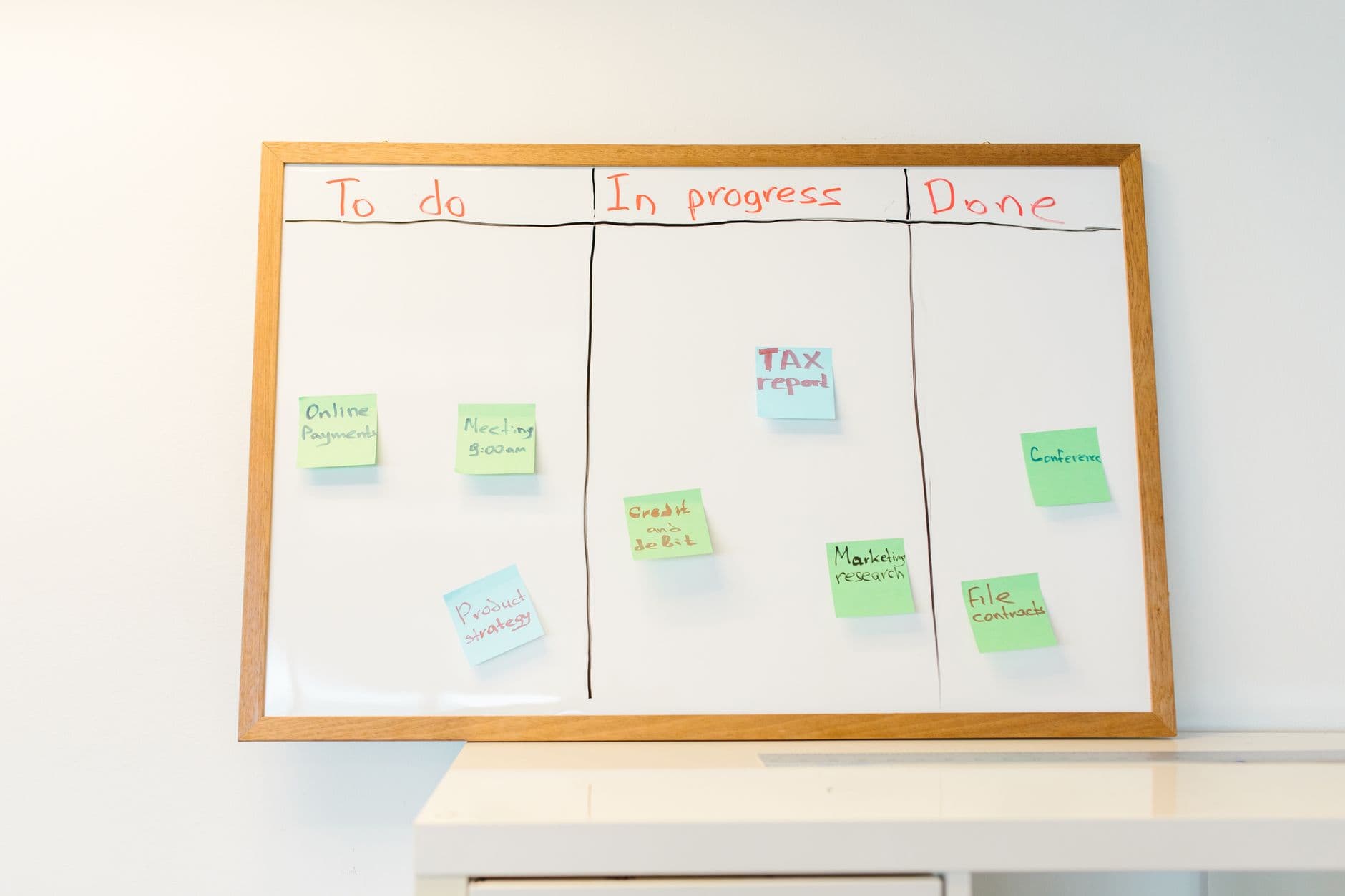
Now, next, later. The third column is where honesty lives.
Outcome-Based vs Feature-Based Roadmaps
A feature-based roadmap says "we will build in-app messaging in Q3". An outcome-based one says "we will cut support ticket volume by a fifth, and in-app messaging is our current best bet for how".
The second is harder to write and harder to game. Productboard's 2026 analysis found 66% of product professionals name measuring success as their biggest unresolved challenge, which has now overtaken role clarity. You cannot measure a feature. You can measure what it was supposed to do.
The cost of getting this wrong is going up. Ant Murphy's 2026 analysis reports that nearly 39% of product investments now fail because of a lack of clear company strategy. That figure was 25% the year before, a jump suggesting teams ship faster into less clarity, not more.
AI is adding to the pile. Userpilot's 2026 trends research found 64% of product teams have now integrated AI into their products. Gocious reports that 66% of organisations now see tangible gains from AI adoption, so the pressure to put AI work on the plan is real. A digital product roadmap written in 2026 has to call AI features without the usual evidence base, which makes outcome framing more useful. You can state the result you want even when the method is uncertain.
Who Owns the Roadmap, and How Often Should it Change?
Most arguments about what is a product roadmap turn out to be arguments about who gets to change it. One person should be accountable, usually the product lead, because they sit closest to strategy and its trade-offs. Accountability does not mean working alone: design, engineering, and commercial all need input at the point the decision gets made, not afterwards.
Cadence depends on horizon. Review the "now" column continuously, the "next" column monthly, and the whole product roadmap strategy quarterly. A roadmap that has not changed in six months has usually stopped reflecting anything true.
The failure to watch for is silent drift: the plan stays put while the work diverges from it. That is worse than an obviously stale roadmap, because people still trust it.
A date on uncertain work is a guess in a suit.
How to Build a Roadmap for a New or Startup Product
What is a product roadmap when there is no product yet? Mostly a set of bets with an order. Starting from nothing beats fixing a bad roadmap: you set the certainty level honestly. A short Kick Start is one way to get that first order of bets down fast.
1. Do discovery before you plan. Write down what you actually learned in the discovery stage, separately from what you hoped to learn.
2. Write the goals first. Three or four outcomes for the next two quarters. If you cannot express one as a change in behaviour or a number, it is not a goal.
3. Generate initiatives against each goal. Multiple options per goal. The point is to have something to reject.
4. Sequence, do not schedule. Now, next, later. Resist the first request for a date on "later".
5. Attach a measure to each item in "now". If it works, what moves?
6. Publish it where people already look. A roadmap nobody opens is a document, not a tool.
For teams building custom web apps, steps one and two are where the money is saved. A week of discovery tends to remove more from the roadmap than it adds.
A Worked Example: The Same Roadmap at Three Stages
The shape changes with the maturity of the business. A startup roadmap in the spirit of Findr's product journey would centre on user adoption signals, product clarity, and the minimum set of interactions that prove the concept works, much as developing an MVP does. It should stay sparse: every extra line item creates drag.
A scale-up carries a different burden. Businesses with trajectories similar to Deploy or Adaptwell balance acquisition, retention, infrastructure, and team capacity at once, because growth punishes teams that only chase net-new features instead of building products that keep growing after launch. That roadmap is usually goal-led rather than date-led.
An enterprise rarely has one roadmap. It has a roadmap system: a portfolio view above product-level roadmaps, aligning customer-facing improvements with internal process change, compliance, and legacy integration. That is closer to the complexity seen in products such as Boiler Juice or My Pension ID.
If a startup plans like an enterprise, it slows itself down. If an enterprise plans like a startup, it creates avoidable risk.
Why Product Roadmaps Fail
Ask a room what is a product roadmap failure and you will hear "we missed the dates". That is a symptom. Here are the causes.
Strategy disconnect. The roadmap is not traceable to a company goal, so every prioritisation argument becomes a battle of opinion. This is the 39% figure above, and the largest single cause.
Leadership override. A senior stakeholder inserts something after the roadmap is agreed. Once that happens twice, the team stops treating it as real.
Treating it as a contract. A roadmap is an informed guess with reasoning attached. The moment it becomes a commitment, people stop updating it honestly, because updating it looks like failing.
Delivery pressure crushing the planning. Chief product officers now rank speed to market as their top internal challenge, up from 14% to 22% in a year, according to Amplitude's 2026 CPO Insights report. Roadmaps are increasingly asked to prove they shorten delivery, which pushes teams back towards feature lists with dates.
Nobody maintains it. The roadmap was agreed once and not revisited.
Quarter 1 R&D Roadmap (Actual vs. Expected).
How a Delivery Partner Builds Your Roadmap
Most explainers on what is a product roadmap are written by roadmap software vendors, so they end at "and here is our tool". A delivery partner has a different incentive: they own the build phase afterwards.
Arch runs AI-assisted product development, where discovery and strategy produce a working roadmap before production code gets written. A roadmap written after a build starts is a status report wearing a costume.
The practical difference is that the partner argues with you during discovery rather than during delivery, so assumptions get tested while changing them is still cheap. Arch holds a 4.7 rating on Clutch, and that sequence is a fair part of why.
Frequently Asked Questions
What is a Product Roadmap in Simple Terms?
It is a plan showing what your product team will work on, roughly when, and why each thing matters to the business. Think of it as the bridge between strategy and the actual work. It shows direction and reasoning, not task-level detail.
What is the Difference Between a Product Roadmap and a Backlog?
The roadmap is strategic and shows why work is prioritised. The backlog is tactical and holds the stories, bugs, and tasks. Roadmap initiatives get broken down into backlog items. Teams that use the backlog as a roadmap end up busy but unaligned.
How Far Ahead Should a Roadmap Look?
Typically three to eighteen months, with confidence decreasing as you go out. Near-term items should be specific; anything beyond about six months should stay thematic. Claiming precision about month twelve costs you credibility when month twelve arrives.
Should a Roadmap Show Dates or Themes?
Themes for anything uncertain, dates only where other teams need to plan around a launch. Dates create pressure to defend a plan instead of discuss it. If the work still depends on discovery, a date is a guess in a suit.
How Often Should a Product Roadmap Be Updated?
Review the near-term column continuously and the full roadmap quarterly, changing it whenever evidence justifies it. A roadmap that never changes has usually stopped being consulted.
Arguing during discovery is cheaper than arguing during delivery. The design work that follows is described in our end-to-end product design process.
Start With the Goals, Not the Features
If you take one thing from this: the answer to what is a product roadmap is a plan of intended outcomes, not a queue of features. Write your three goals for the next two quarters, work backwards to initiatives, then sequence them into now, next, and later.
If the roadmap is stuck because the strategy underneath it is unclear, that is a discovery problem, not a planning one, and seeing how we run a project is a good place to start resolving it before another quarter goes past.
About the Author
Hamish Kerry is the Marketing Manager at Arch, where he has spent the past six years shaping how digital products are positioned, launched, and understood. He has over eight years in the tech industry and a deep understanding of accessible design and user-centred development, with a focus on delivering real impact to end users. His interests include AI, app and web development, and the potential of emerging technologies. Outside campaigns, he keeps a close eye on how tech can drive meaningful change.
You can catch up with Hamish on LinkedIn
Sources
- Product management statistics you need to know Product-Led Alliance, 1 May 2026.
- The State of Product in 2026 Atlassian, 3 September 2025.
- Product Management Trends: The PM Role Is Splitting Userpilot, 17 May 2026.
- Product Workflows and Strategic Decisions in 2026 Productboard, 18 February 2026.
- How Product is Changing in 2026 Ant Murphy, 23 December 2025.
- 2026 CPO Insights Report PR Newswire / Amplitude, 27 May 2026.
- AI in Product Management Guide for 2026 for Product Leaders Gocious, 13 April 2026.