



Web Design Agency Leeds: How to Pick a Partner That Converts.
Website design agency leeds - Discover the best website design agency leeds for your business in our 2026 guide. We profile 7 top agencies to help you find the
Web Design Agency Leeds: How to Pick a Partner That Converts.
A web design agency Leeds businesses hire should be judged on three things: the process it names, the platform it recommends, and the evidence it can show that the finished site earns money. Most shortlists are built on portfolio screenshots instead, which is why so many rebuilds look better and perform the same. Getting past that starts with treating website and app design as a commercial discipline.
You are probably here because the current site is dated, the enquiries are thin, and every agency page you have opened says roughly the same thing. This one takes a different route. It sets out what the work actually involves, what the Leeds market data says about the stakes, and the questions worth asking before you sign anything.
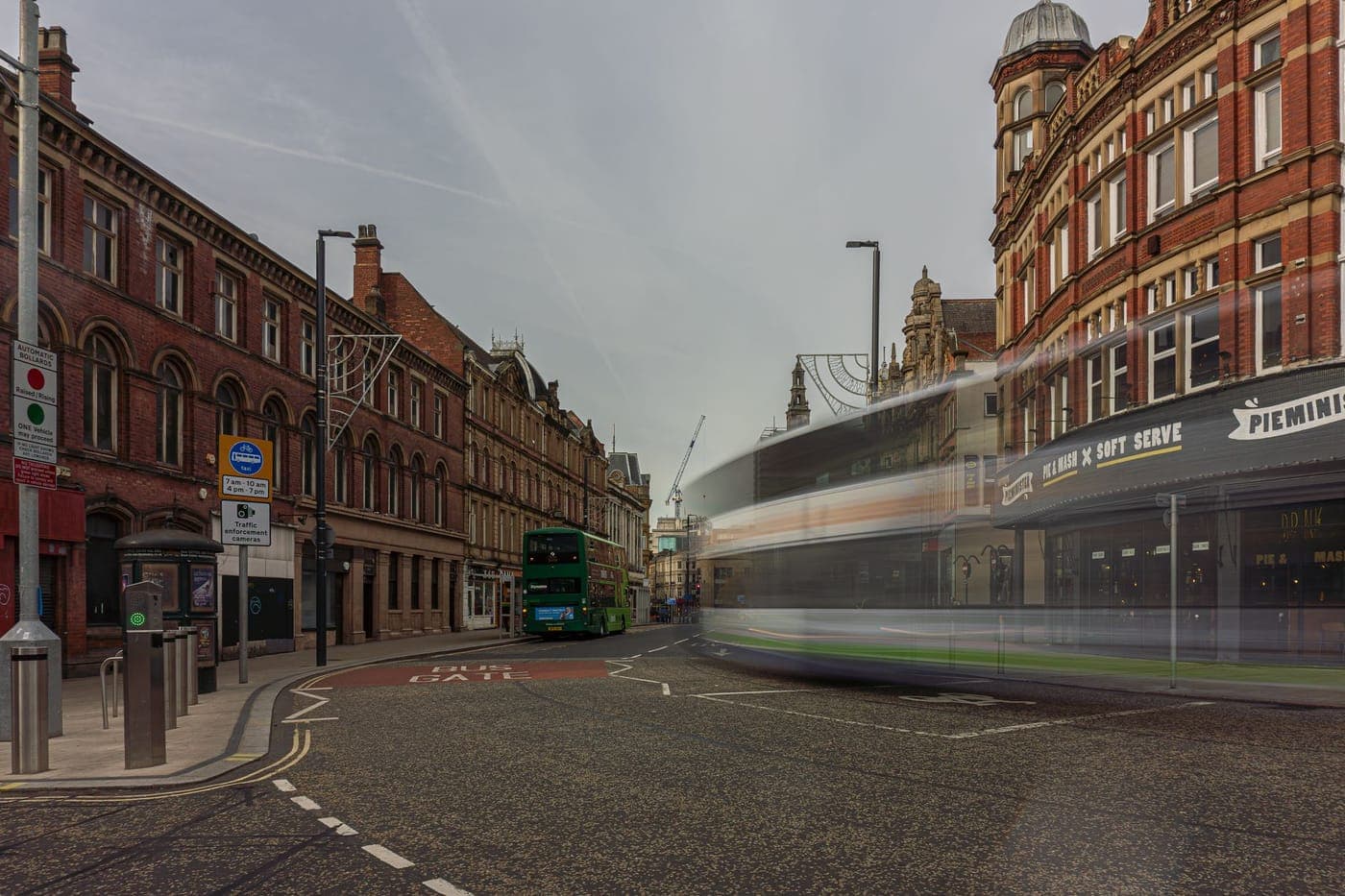
Leeds is full of agencies. That is rather the problem.
Key Takeaways
- Judge a web design agency Leeds shortlist on named process stages, honest platform advice and measurable outcomes, not on how the portfolio looks.
- Leeds carries real digital weight: around 28,000 people work in digital roles in the city, and the council's growth plan targets 100,000 new jobs.
- Design is commercial. Users form a first impression of your business in 0.05 seconds, and interface quality can move conversion rates by triple digits.
- The technical basics are still widely failed: most sites miss at least one Core Web Vitals threshold, and accessibility errors are near-universal.
- Ask about measurement before you ask about visuals. An agency that cannot tell you how it will prove the design worked probably will not prove it.
What a Web Design Agency Leeds Buyers Hire Actually Does
A web design agency Leeds companies work with plans, designs, builds and maintains a website against a commercial goal. The good ones start with the goal, not the wireframe. That means agreeing what the site is for, who it serves, and what a successful month looks like before anyone opens a design tool. Only then does it make sense to build the thing properly.
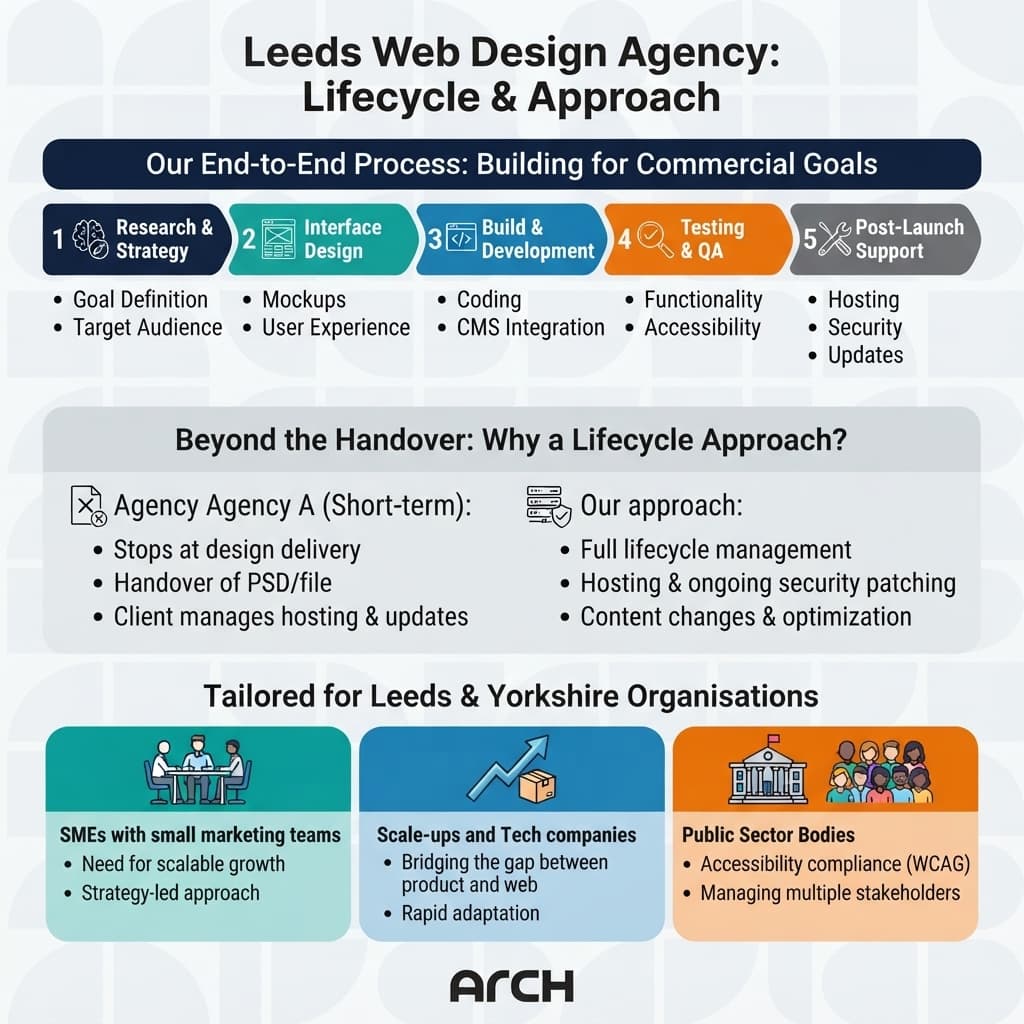
The work usually splits into research, interface design, build, testing and support after launch. Some agencies stop at design and hand you a file. Others carry the whole lifecycle, including hosting, security patching and content changes.
This suits mid-sized Leeds and Yorkshire organisations most: SMEs with a small marketing team, scale-ups whose site has fallen behind the product, and public sector bodies with accessibility duties and multiple stakeholders. If you need a two-page brochure site next week, a full product partner is more process than the job deserves.
Breaking things down, one group at a time.
Why Leeds Is a Serious Place to Invest in Your Website
Leeds is the UK's third-largest digital employment centre outside London, with roughly 28,000 people in digital roles generating £1.3 billion in gross value added, according to KiTalent's 2026 analysis of the city's tech hiring.
The direction of travel matters as much as the current size. Leeds City Council's economic vision, published in October 2025, targets 100,000 new jobs and £20 billion of growth over ten years, with more than 3,000 digital and data companies already based in the city.
Read that as a competitive warning. Three thousand digital companies in one city means your buyers have seen good websites recently. Their expectations were set somewhere else, and your site gets measured against that, not against the version of it you launched in 2019.
Any web design agency Leeds organisations brief should be able to talk about that context without being prompted. If the pitch does not mention who you are competing against for attention in this city, it is a template.
Good Design Is a Commercial Decision, Not a Cosmetic One
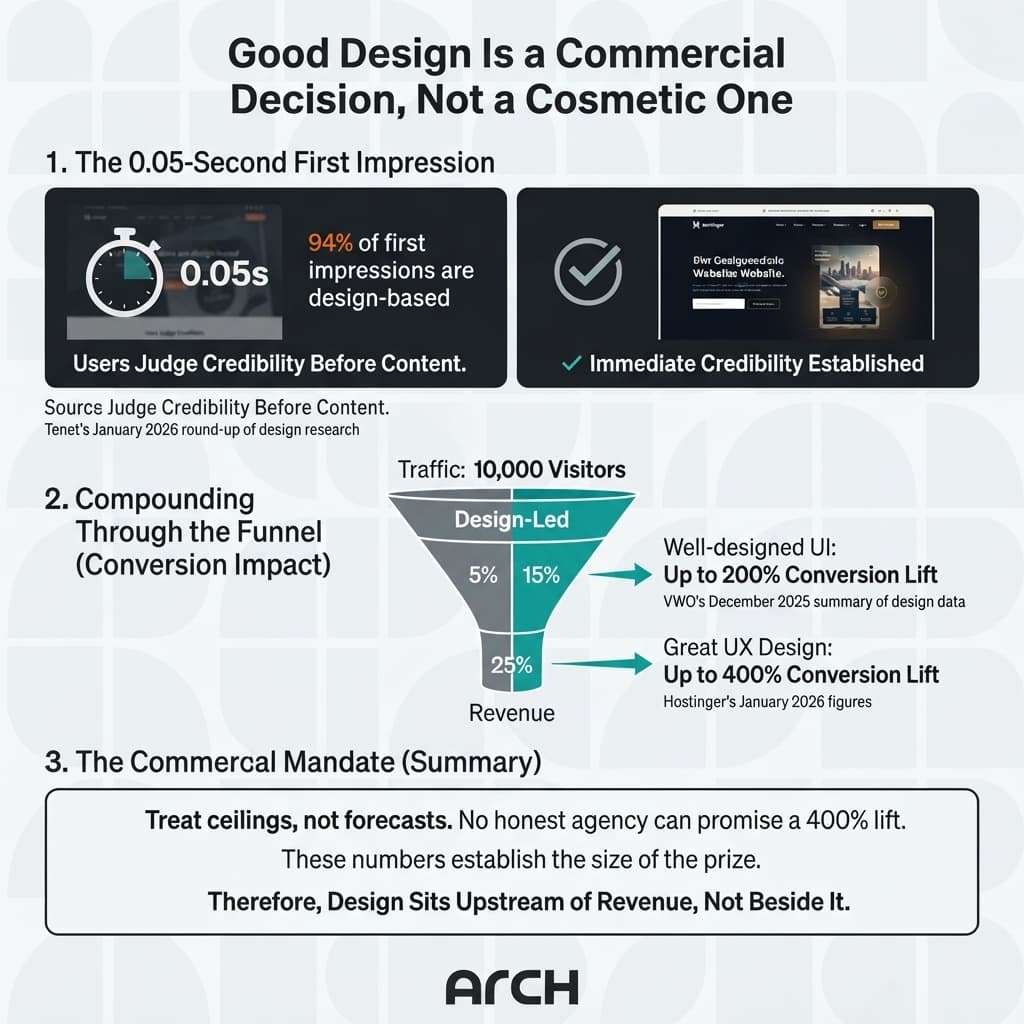
The window for a first impression is smaller than most budgets assume. Tenet's January 2026 round-up of design research found that 94% of users form their first impression of a business from its website design, and they do so in 0.05 seconds. Nobody reads your positioning statement before deciding whether you look credible.
That first impression then compounds through the whole funnel. VWO's December 2025 summary of design data reports that a well-designed user interface can lift conversion rates by up to 200%, and Hostinger's January 2026 figures put the ceiling higher still, with great UX design driving conversion rates by up to 400%.
Treat those as ceilings, not forecasts, since no honest agency can promise you a 400% lift. The numbers show the size of the prize and that design sits upstream of revenue rather than beside it.
Three seconds. Then they may be somebody else's enquiry.
Mobile, Speed and Accessibility: The Non-Negotiables
Three technical basics decide whether the design ever gets a fair hearing. Most sites still fail at least one of them.
Mobile. MobiLoud's February 2026 update puts 54% of UK web traffic on mobile devices. If your site was designed on a desktop and checked on a phone at the end, you have designed for the minority.
Speed. Only 47% of sites meet all three Core Web Vitals thresholds, with underperformers losing an estimated 8 to 35% in conversions, per Loopex Digital's June 2026 analysis. That is a rare case where the technical fix and the commercial fix are the same job.
Accessibility. SQ Magazine's May 2026 review found that 95.9% of the top one million home pages had detectable WCAG accessibility failures. For public sector and regulated buyers in Yorkshire that is a compliance exposure. For everyone else it is a slice of your audience leaving.
Ask any agency how it tests all three, who signs them off, and what happens when a content editor breaks them six months after launch.

Ask for the schedule before you ask for the mood board.
Webflow, Drupal or Custom Build: Choosing the Right Platform
Platform advice is where a web design agency Leeds buyers trust separates itself from one selling its own comfort zone. There is no universally correct answer, only the one that fits.
Webflow suits marketing sites where the design system matters and your team needs to publish without a developer. It is fast to launch and pleasant to edit. It gets strained when you need deep integrations or unusual data structures. Whatever the platform, the site still needs to hold up as responsive website design across the phones most Leeds visitors are actually using.
Drupal earns its place with large content estates, layered permissions and organisations that answer to governance. It carries more setup cost and needs people who know it.
Custom build makes sense when the site is really a product: logged-in areas, live data, workflows a CMS was never designed to run.
The honest test is simple. Ask which platform the agency would talk you out of, and why. A partner that recommends the same stack to every client is telling you about their hiring, not your requirements.
How Arch Designs and Builds Websites
Arch runs the work in five named stages, and you should expect every web design agency Leeds shortlists to be able to name theirs too.
Discovery. Goals, audience, constraints and the measurement plan, agreed before design starts.
Prototyping. Structure and interface tested as clickable screens, so disagreements happen on a prototype rather than in a build.
Build. Development on the agreed platform, with performance and accessibility treated as build requirements, not a final audit.
QA. Testing across devices and assistive technology, against the thresholds set at discovery.
Launch and iteration. Release, then measure and improve. The first version is a hypothesis.
Arch works across websites, apps, software and AI products, and the client list on its own site includes Edinburgh Council, H2Oiq and Cultaholic. That mix is the point: local authority governance, technical product work and a consumer media brand ask for different delivery. You can see the work we have shipped across all three before you take that on trust.

Where the traffic actually is, and where the design usually is not.
Measuring Whether the Design Works
Decide how you will know before you commission anything. Otherwise the review meeting turns into taste.
Three instruments cover most of it. Analytics tells you what people did. Conversion tracking ties those actions to enquiries and revenue, so the site is judged on outcomes rather than sessions. Core Web Vitals monitoring uses real visitor data, which is the only version that counts, given fewer than half of sites pass all three.
Set a baseline before the rebuild. Agree the two or three numbers that define success. Then review them at 30, 90 and 180 days. A web design agency Leeds buyers should keep on the list is one that asks for those numbers first, unprompted. An agency that resists this is protecting itself from the scoreboard.
Working With Arch as Your Leeds Web Partner
Arch is not a Leeds agency, and it would be odd to pretend otherwise. The studio is based in Gateshead, with offices in Edinburgh and London, and it works with Yorkshire organisations from there. For the kind of project that runs on prototypes, shared documents and scheduled workshops, an hour up the A1 has not proved to be the deciding factor. Delivery discipline has.
That is the trade to weigh, and it is worth weighing honestly rather than by postcode. A web design agency Leeds sits inside offers proximity. Arch's product team offers a delivery model built for websites that behave like products, with support that continues after launch.
If your brief sits somewhere between a marketing site, a web product and long-term technical ownership, that is the conversation worth having. It is the same conversation we have with clients who need web app development across the UK, not just a Leeds postcode. Bring your current numbers to it.
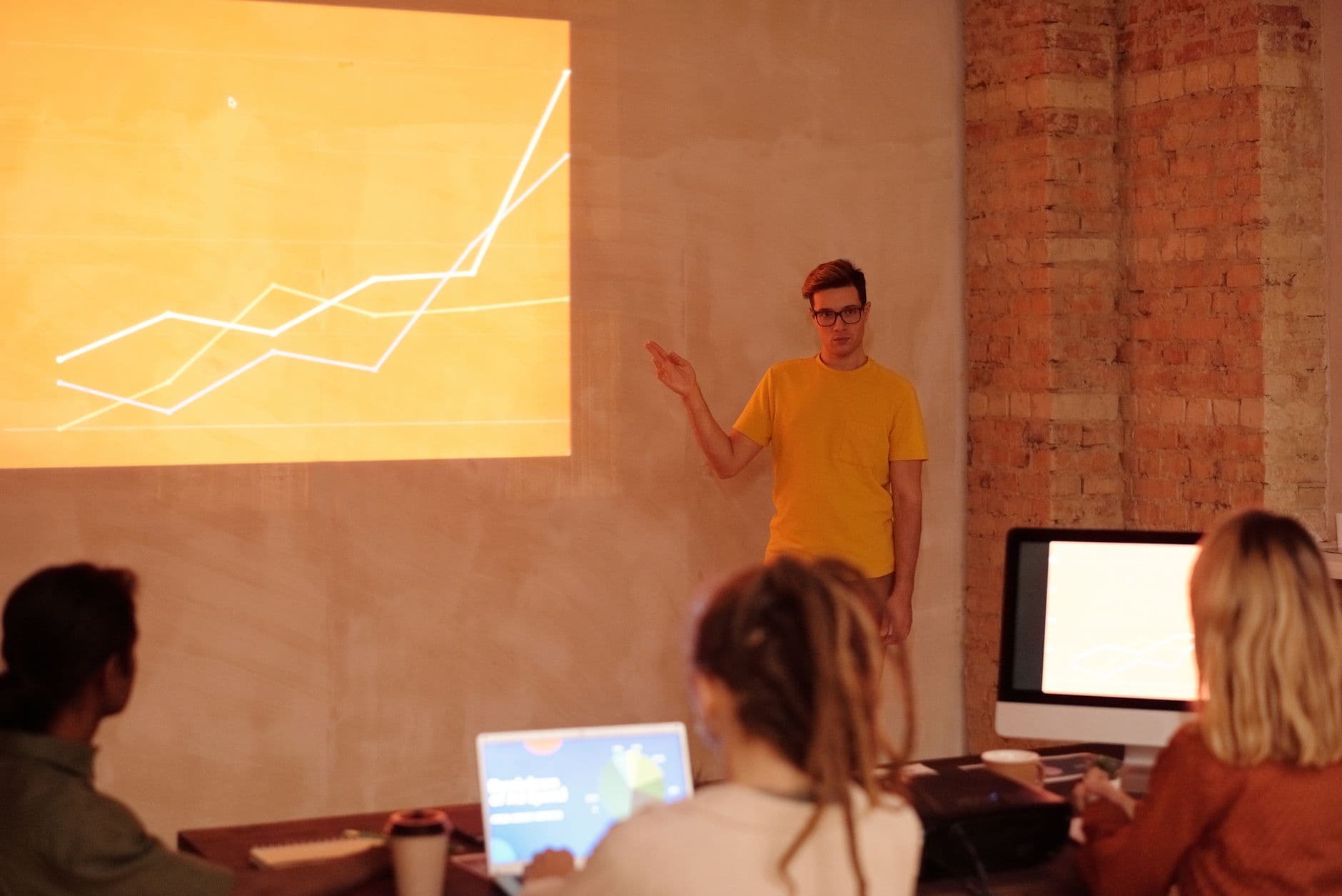
Names are good. Numbers would be better.
Frequently Asked Questions
How Do I Choose a Web Design Agency Leeds Businesses Rate?
Score each candidate on process, platform honesty and proof rather than on portfolio taste. Ask them to name their delivery stages, explain which platform they would talk you out of, and show how they measure whether a launched site performed. For the shortlisting step itself, see our guide on how to choose a web design agency. Then test the operational side: who owns hosting, patching, accessibility sign-off and content changes after handover. The right web design agency Leeds shortlists should include is the one whose delivery model matches your team's capacity, not the one with the broadest claims.
How Long Does a Website Project Take?
Timelines are set by scope, not by the agency's speed. The variables that move the date are the number of unique page templates, how much content you still need to write, how many stakeholders approve each stage, and whether the build needs integrations with other systems. Ask for a stage-by-stage schedule at proposal, with named dependencies on your side. An agency that quotes a duration before understanding your approval process is guessing.
Can You Redesign Our Site Without Losing Rankings?
Yes, if migration is planned as its own workstream rather than a launch-day task. The essentials are a full URL inventory, one-to-one redirects for every changed address, preserved page titles and content depth on pages that already rank, and a crawl of the staging site before release. Rankings usually wobble for a few weeks after any migration. They should recover. Ask who owns the redirect map and when it gets written.
Which Platform Should I Choose?
Choose the one your team can operate after launch. Webflow fits marketing sites where non-developers publish regularly. Drupal fits large content estates with permissions and governance requirements. A custom build fits sites that are really products, with logged-in areas or live data. The wrong question is which platform is most advanced. The right one is which platform your people can still run confidently in two years without ringing the agency.
Will a New Site Actually Increase Enquiries?
It can, and the evidence for design's commercial effect is strong: interface quality has been linked to conversion uplifts of up to 200%. But a redesign may not fix a demand problem, a pricing problem or a proposition problem. If the traffic is not arriving, or the offer is not compelling, a better site presents the same issue more attractively. Establish which problem you actually have first.
Do You Handle SEO, Accessibility and Core Web Vitals?
Treat these as build requirements rather than extras. Accessibility, in particular, is failed almost everywhere, with 95.9% of top home pages carrying detectable WCAG issues, so ask specifically how it is tested and who signs it off. The same applies to performance thresholds and technical SEO. Anything scoped as a post-launch phase tends to become a post-launch invoice.
About the Author
Hamish Kerry is the Marketing Manager at Arch, where he has spent the past six years shaping how digital products are positioned, launched, and understood. He has over eight years in the tech industry and a deep understanding of accessible design and user-centred development, with a focus on delivering real impact to end users. His interests include AI, app and web development, and the potential of emerging technologies. Outside campaigns, he keeps a close eye on how tech can drive meaningful change.
You can catch up with Hamish on LinkedIn
Sources
- 90+ Web Design Statistics, Tenet, published 29 January 2026.
- Multibillion Economic Vision for Leeds to Drive Creation of 100,000 Jobs, Leeds City Council, published 24 October 2025.
- Leeds Tech Hiring: The Regulation That Was Supposed to Help, KiTalent, published 12 April 2026.
- What Percentage of Internet Traffic Is Mobile? 2026 Update, MobiLoud, published 20 February 2026.
- Web Design Statistics: Speed, Accessibility & Colour Trends, SQ Magazine, published 21 May 2026.
- Web Design Statistics: UX, Mobile, CRO, AI Trends, Loopex Digital, published 1 June 2026.
- Key Web Design Statistics, VWO, published 12 December 2025.
- Essential Web Design Statistics: Trends & Insights, Hostinger, published 13 January 2026.