

Our Work
PEGGI.
We partnered with Peggi to design a social platform that changes how older and vulnerable people stay connected with the people who matter most. Peggi was conceived as an accessible, collaborative environment that helps families preserve memories, encourage daily interaction, and reduce the barriers many older adults face when using digital technology.

A Social Platform Built Around People, Not Algorithms.
Working closely with Peggi and healthcare stakeholders, we led an extensive discovery process covering user behaviours, accessibility requirements, AI opportunities and long-term product strategy.
We started by understanding the emotional needs of the platform's users, not by listing features. Every design decision followed a simple principle: technology should remove barriers.
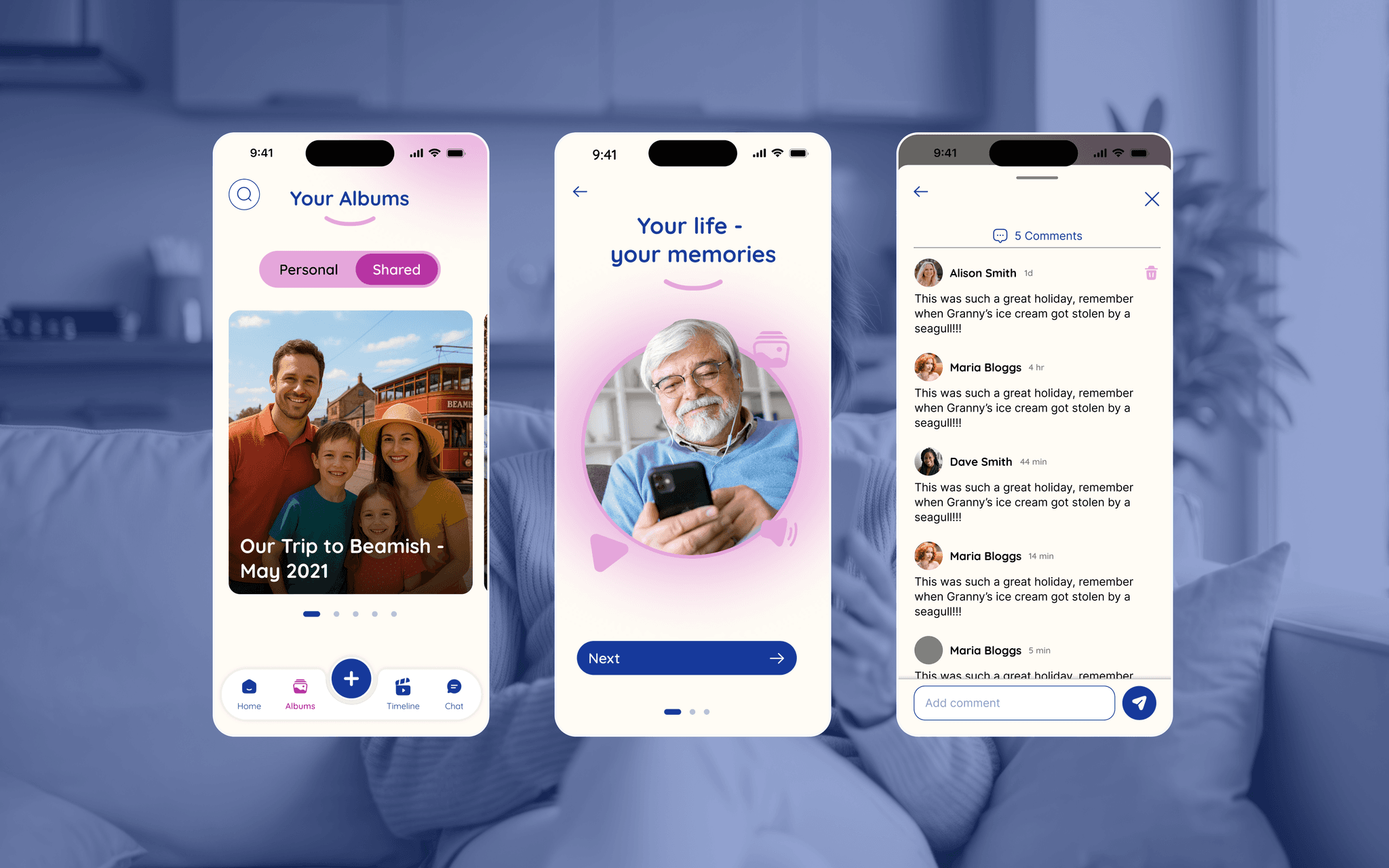
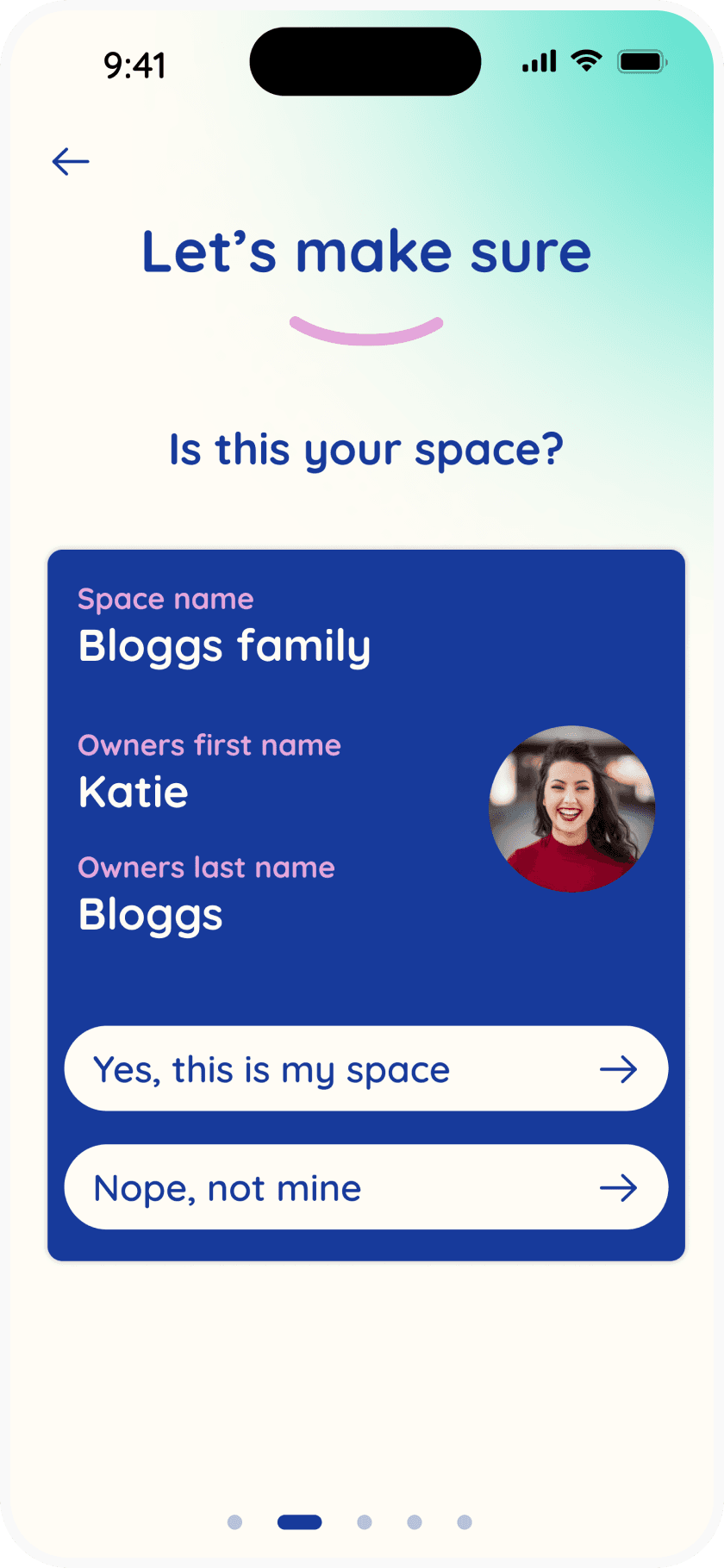
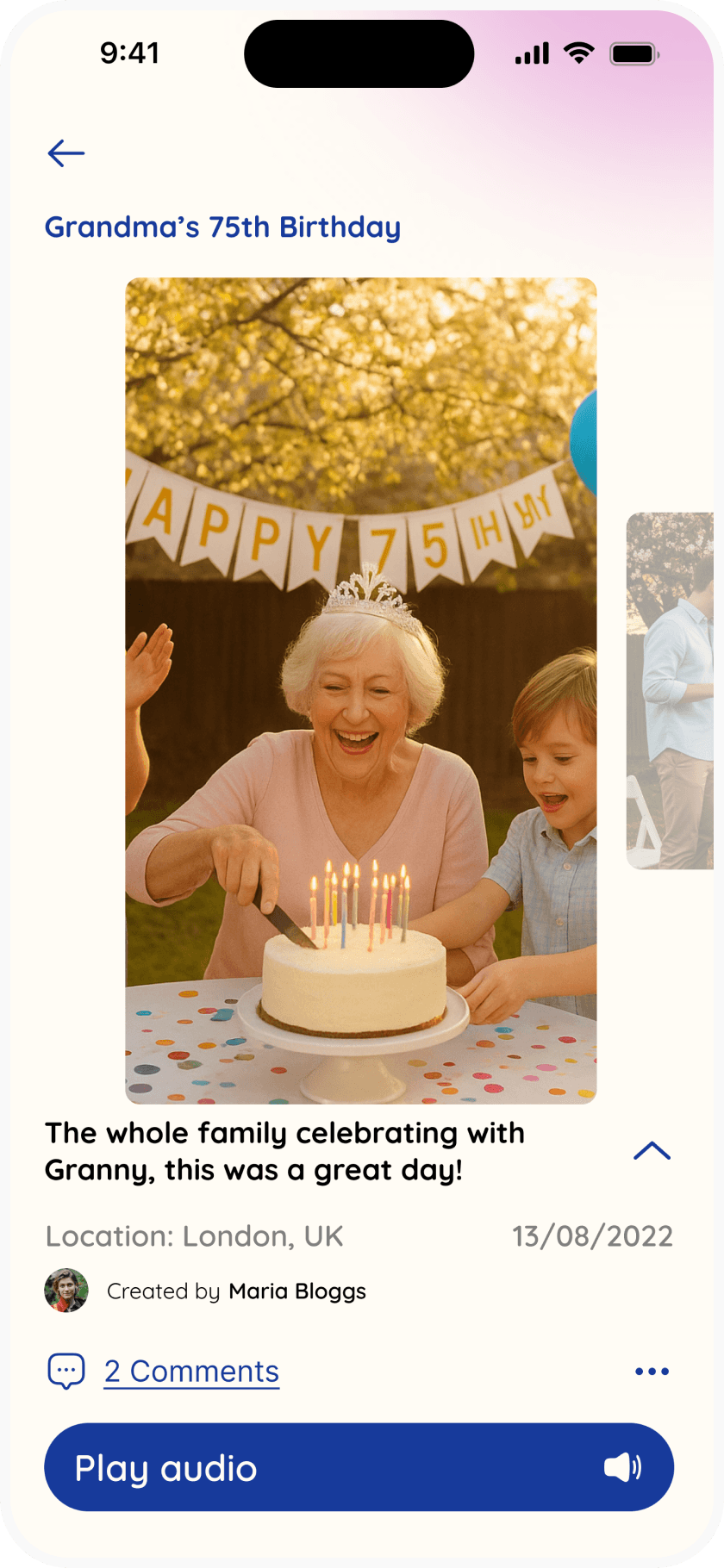
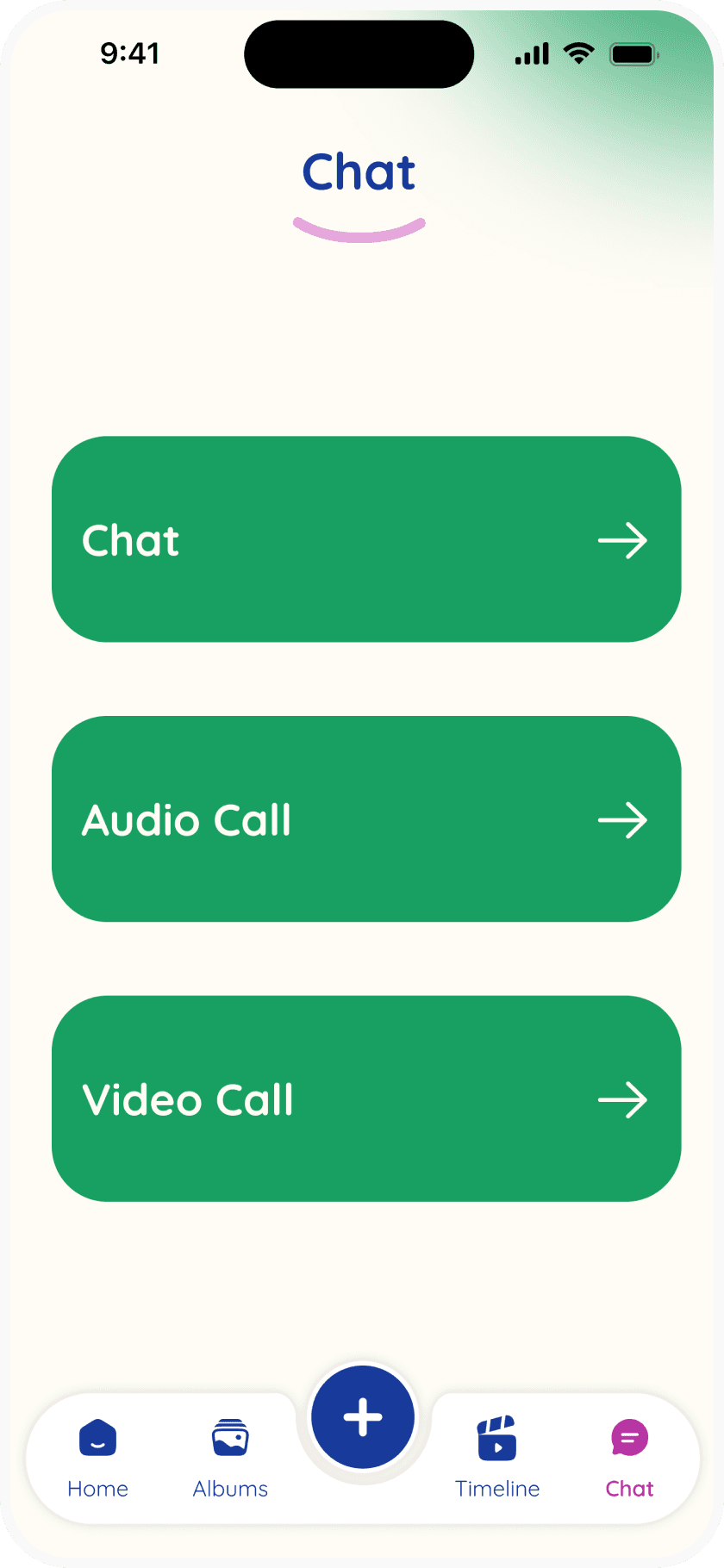
The result was a platform concept centred around Peggi Mode, a simplified experience featuring large touch targets, accessible typography, uncluttered navigation, and carefully considered user journeys designed specifically for elderly users. Administrative complexity was removed entirely from the primary user experience, allowing older users to remain connected without worrying about settings, passwords, or accidental changes.
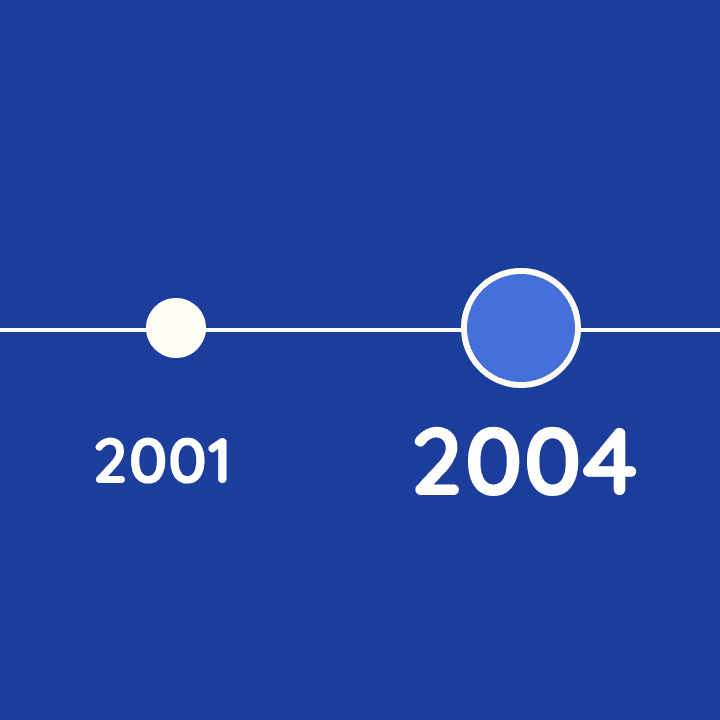
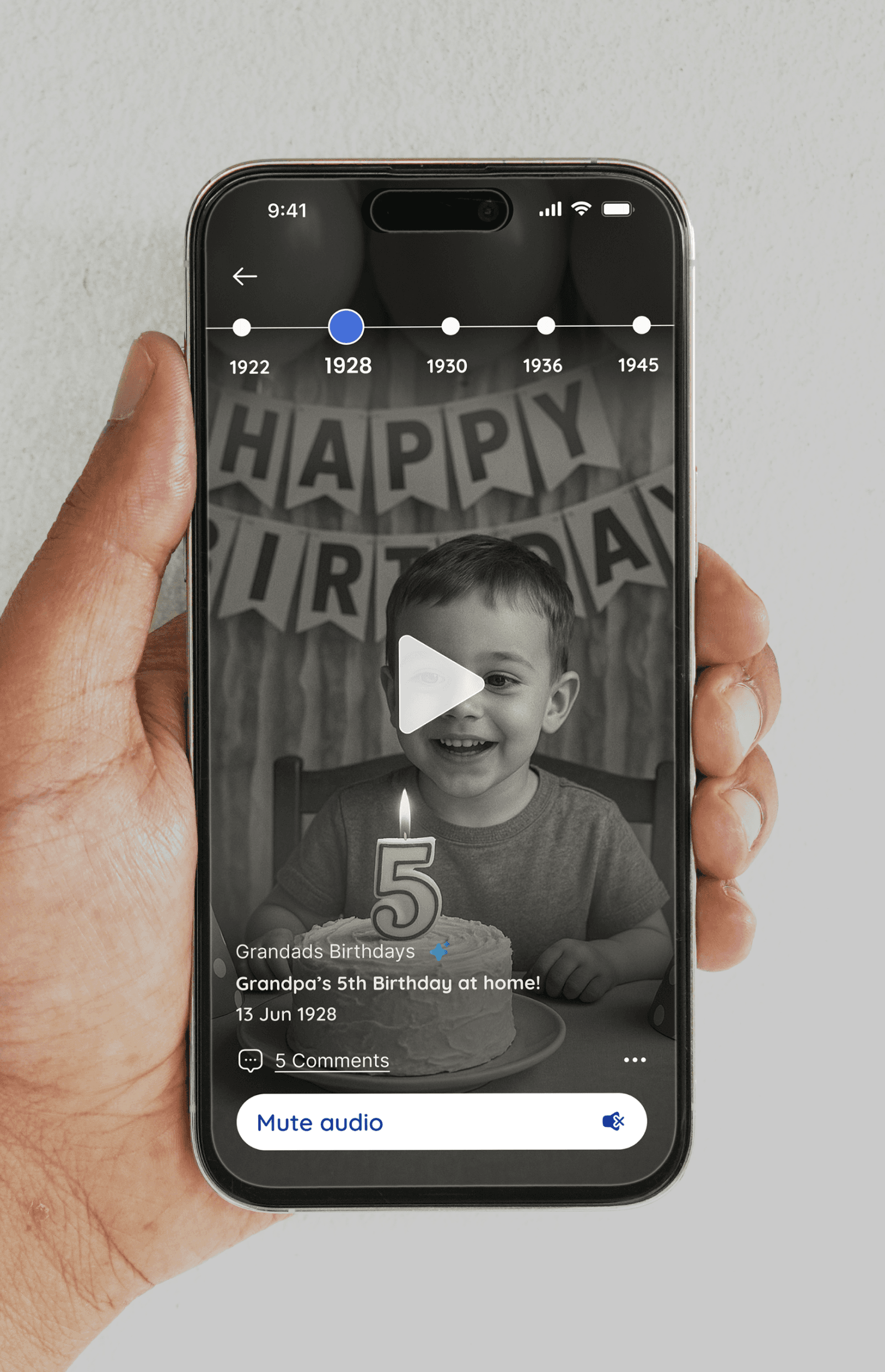
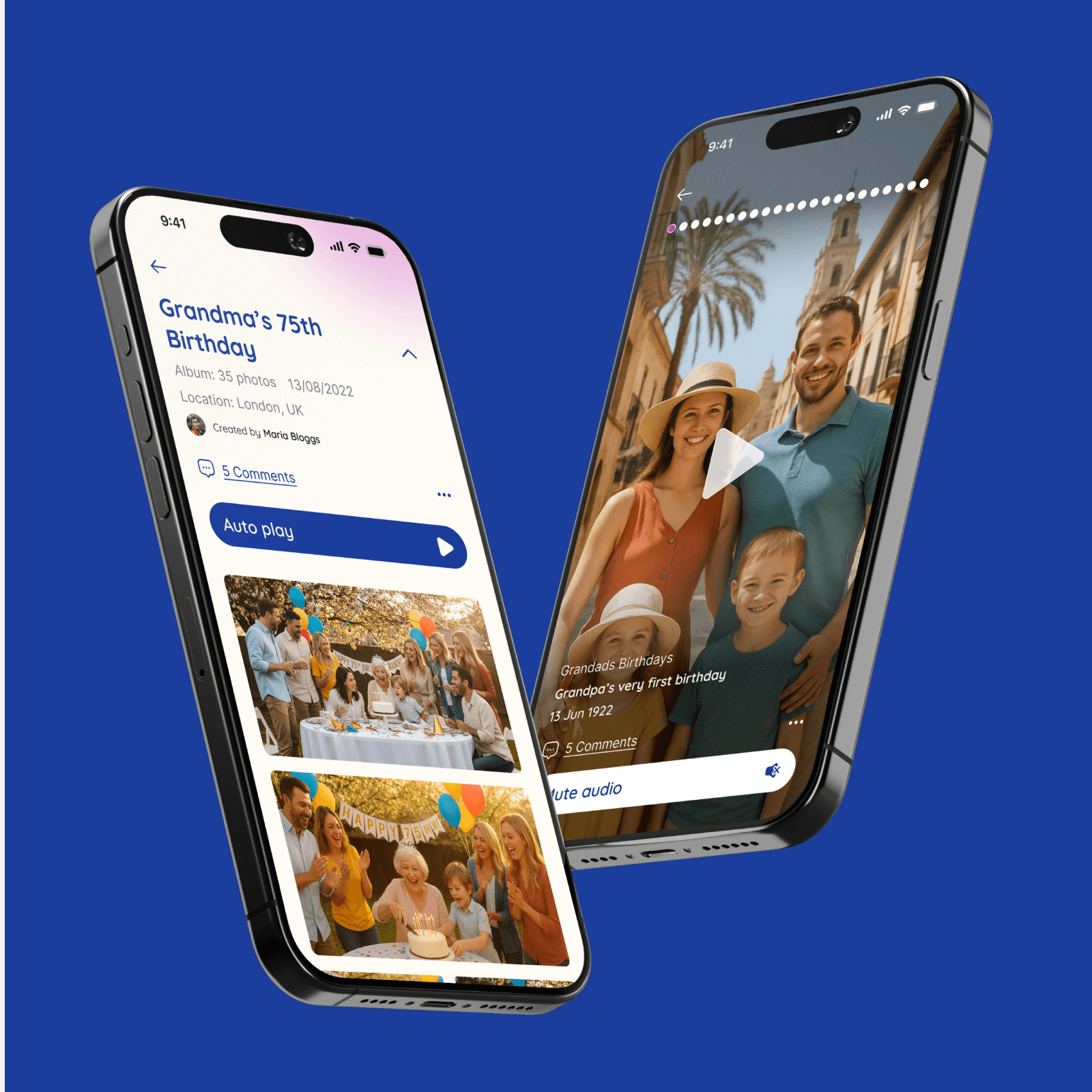
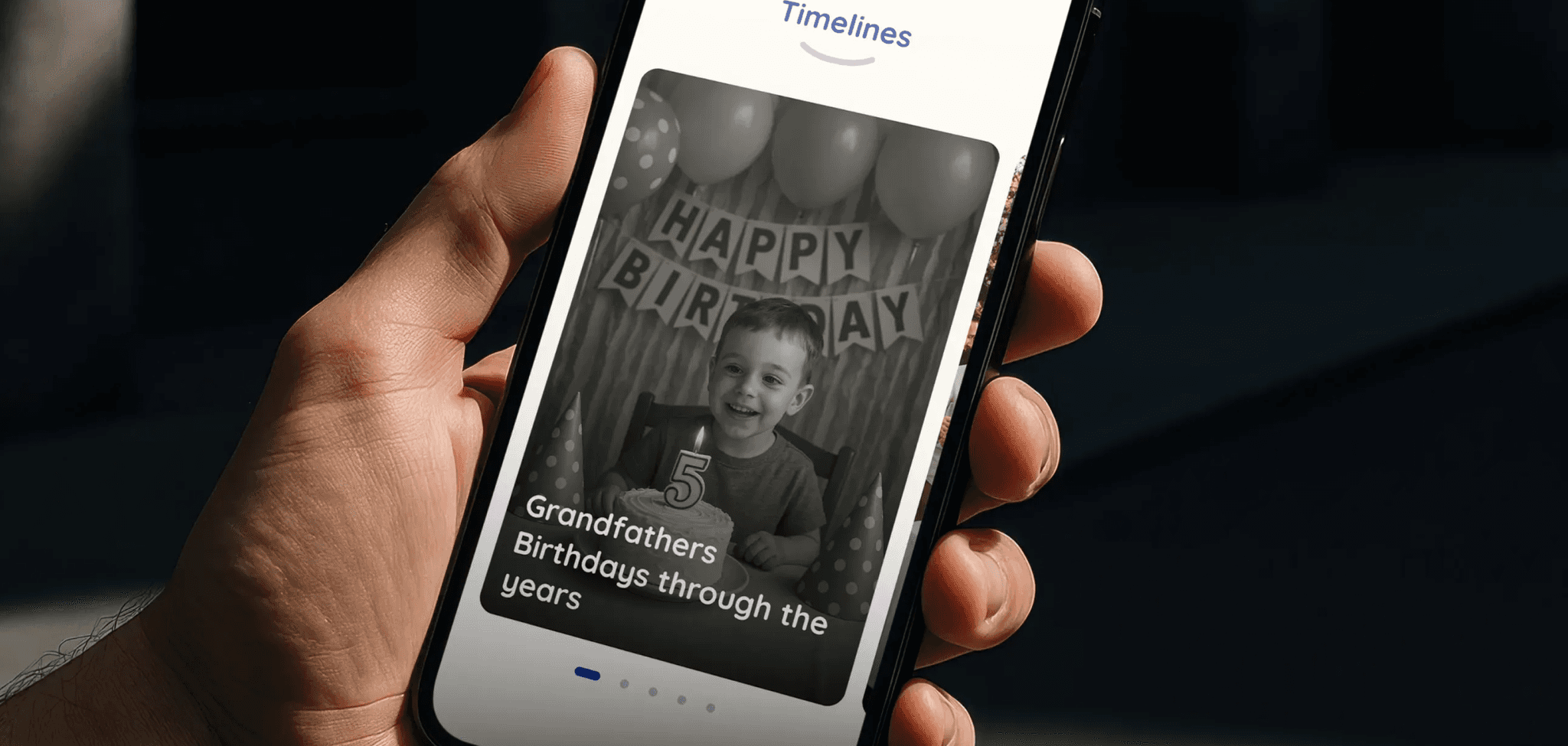
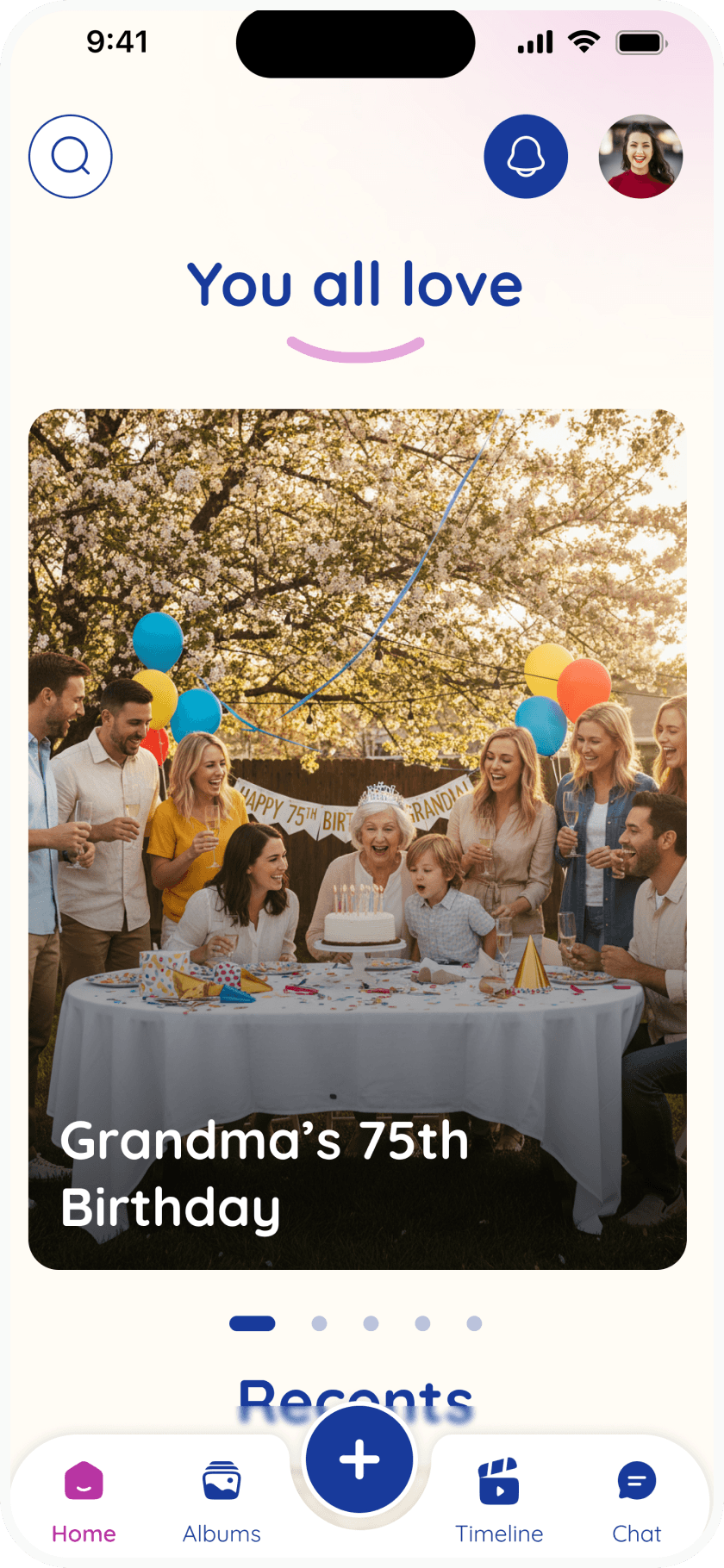
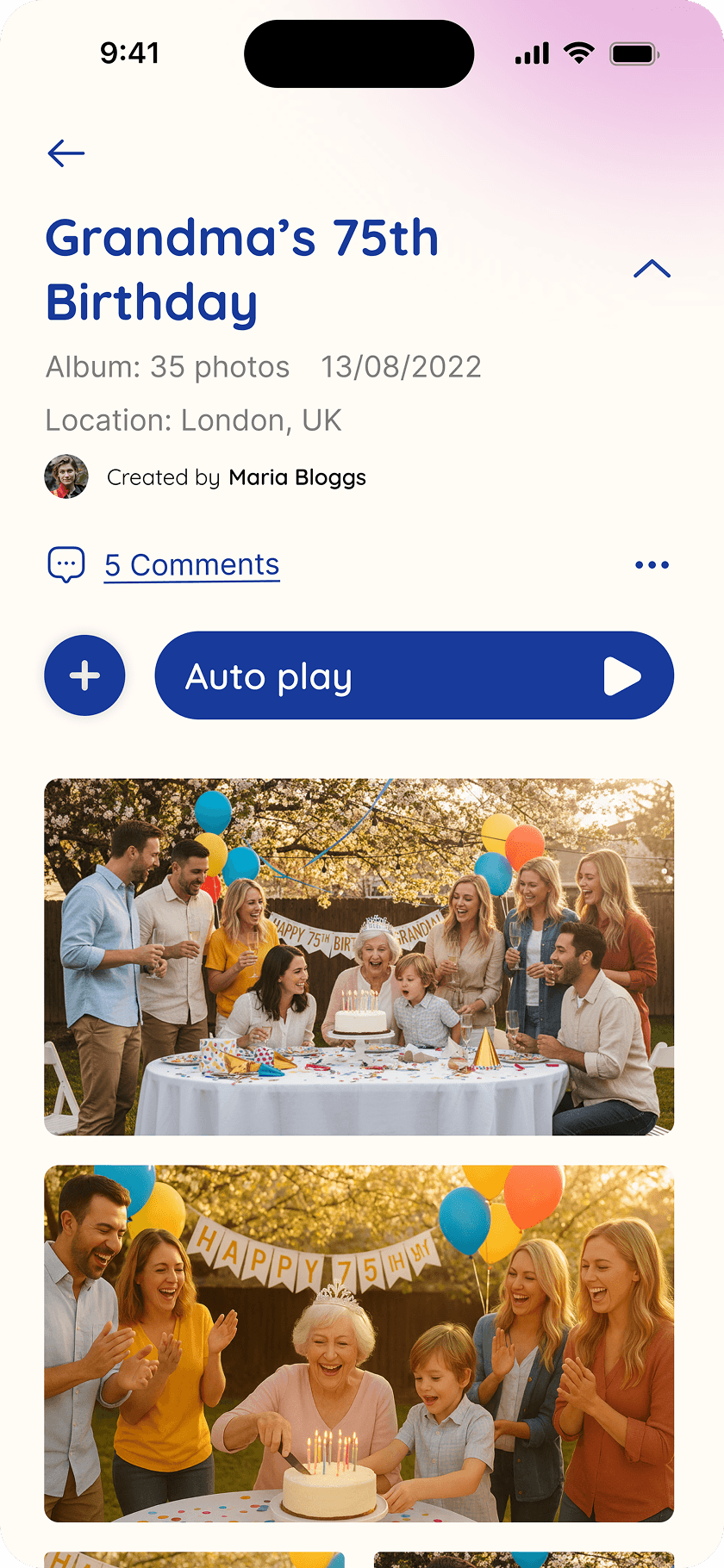
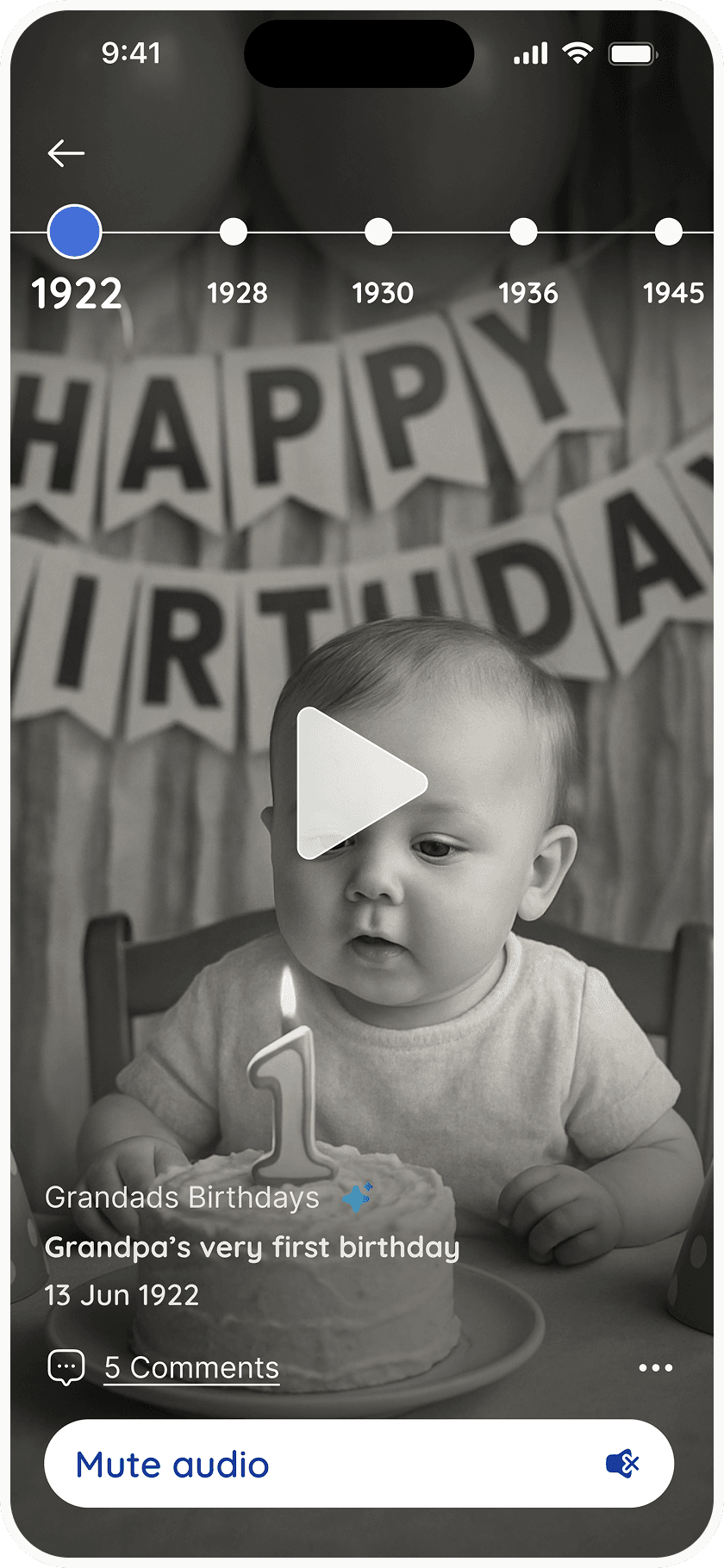
Peggi was designed as a collaborative family space, not another social feed. Shared albums, chronological timelines, group messaging, audio and video calling, and memory prompts encouraged families to contribute content while building a permanent digital archive of important life moments.
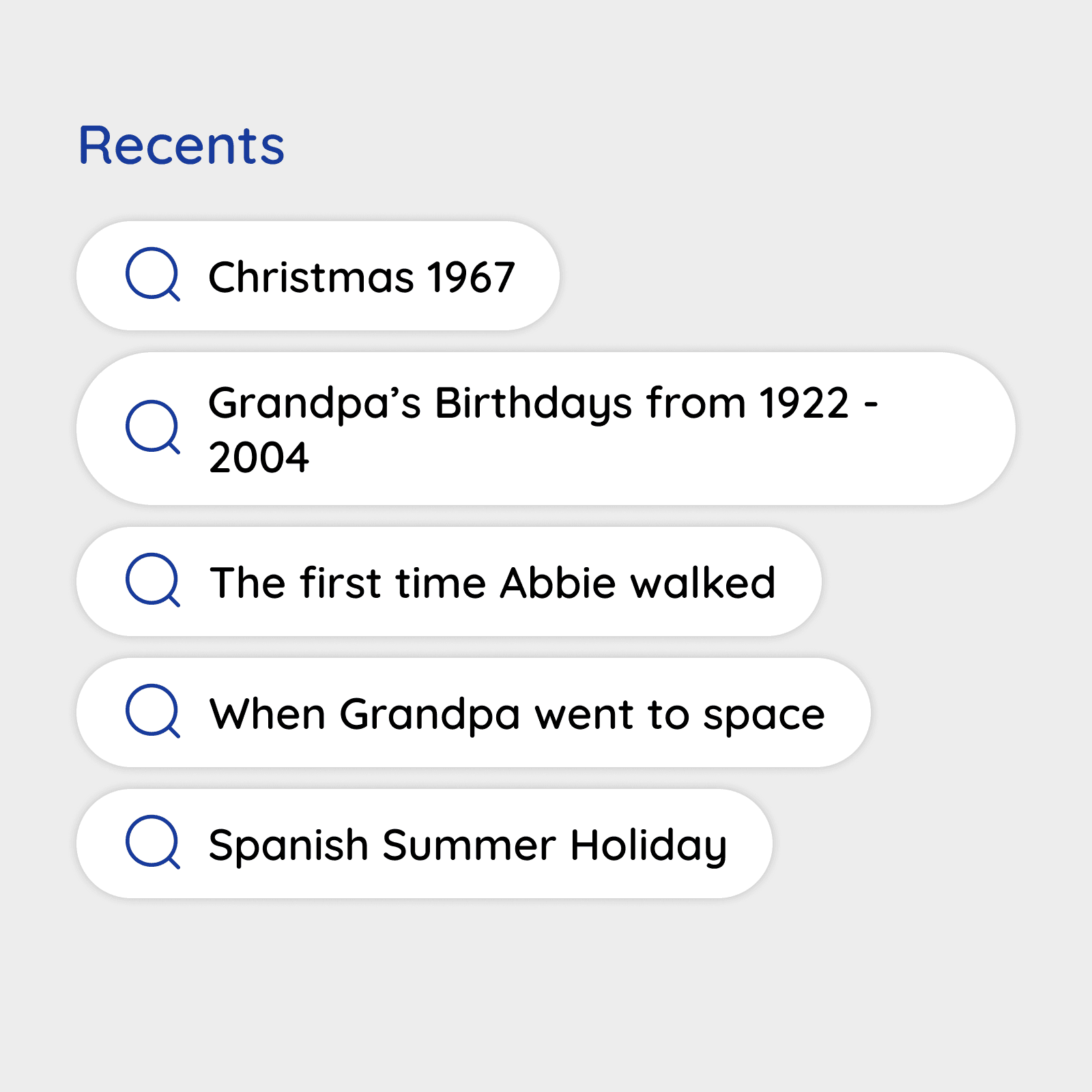
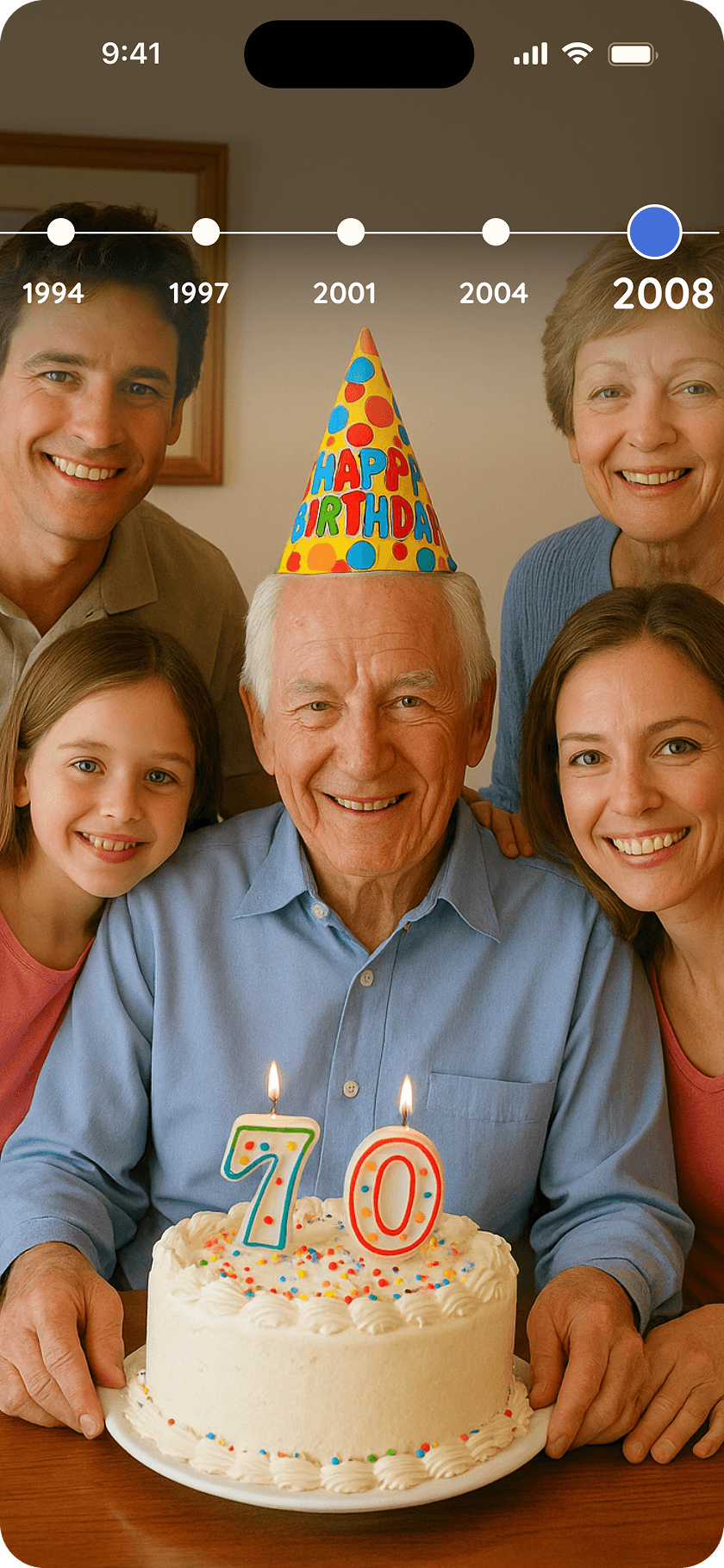
Artificial intelligence was a key part of the long-term product vision. During discovery, we explored intelligent photo categorisation, natural language search, automatically generated timelines, AI-generated captions, and future voice synthesis that could support richer reminiscence experiences.
Technically, the platform was architected using Flutter to support iOS, Android, and web from a single codebase, alongside Laravel and Filament to provide a secure, scalable backend and intuitive content management experience. Supporting integrations included Stream for communications, Firebase Cloud Messaging for notifications, RevenueCat for subscription management, and Amazon S3 for secure media storage. The wider infrastructure was designed around UK-hosted, ISO27001-accredited environments with GDPR and DTAC compliance at its core.
The result was a product strategy and technical architecture for a safer, simpler digital experience for older people, and a new way for families to preserve memories together.
A Social Platform Built Around People, Not Algorithms.
Working closely with Peggi and healthcare stakeholders, we led an extensive discovery process covering user behaviours, accessibility requirements, AI opportunities and long-term product strategy.
We started by understanding the emotional needs of the platform's users, not by listing features. Every design decision followed a simple principle: technology should remove barriers.
The result was a platform concept centred around Peggi Mode, a simplified experience featuring large touch targets, accessible typography, uncluttered navigation, and carefully considered user journeys designed specifically for elderly users. Administrative complexity was removed entirely from the primary user experience, allowing older users to remain connected without worrying about settings, passwords, or accidental changes.
Peggi was designed as a collaborative family space, not another social feed. Shared albums, chronological timelines, group messaging, audio and video calling, and memory prompts encouraged families to contribute content while building a permanent digital archive of important life moments.
Artificial intelligence was a key part of the long-term product vision. During discovery, we explored intelligent photo categorisation, natural language search, automatically generated timelines, AI-generated captions, and future voice synthesis that could support richer reminiscence experiences.
Technically, the platform was architected using Flutter to support iOS, Android, and web from a single codebase, alongside Laravel and Filament to provide a secure, scalable backend and intuitive content management experience. Supporting integrations included Stream for communications, Firebase Cloud Messaging for notifications, RevenueCat for subscription management, and Amazon S3 for secure media storage. The wider infrastructure was designed around UK-hosted, ISO27001-accredited environments with GDPR and DTAC compliance at its core.
The result was a product strategy and technical architecture for a safer, simpler digital experience for older people, and a new way for families to preserve memories together.
WHAT WAS
Success for Peggi.
KEY FEATURES FOR