

Our Work
EMD UK.
We partnered with EMD UK, the national governing body for group exercise, through our Kickstart discovery and scoping process to explore how artificial intelligence could help fitness professionals spend less time on administration and more time supporting their communities.



From an Ambitious Idea to a Defined Digital Product.
EMD UK engaged Arch through our Kickstart process to investigate the opportunity and establish a clear development direction. Rather than progressing immediately into a software build, we brought together stakeholder workshops, user journey mapping, interface design and technical assessment to understand what the platform needed to achieve, how it could work and where the principal risks and dependencies lay.
EMD UK's instructor research provided an important foundation for this work. The five identified personas, Digital Instructors, Community Regulars, Peak-Time Side Instructors, Weekend Warriors and Full-Time Professionals, demonstrated the diversity of the workforce and helped inform a task-based experience tailored to different professional needs.
Designing a Practical AI Assistant
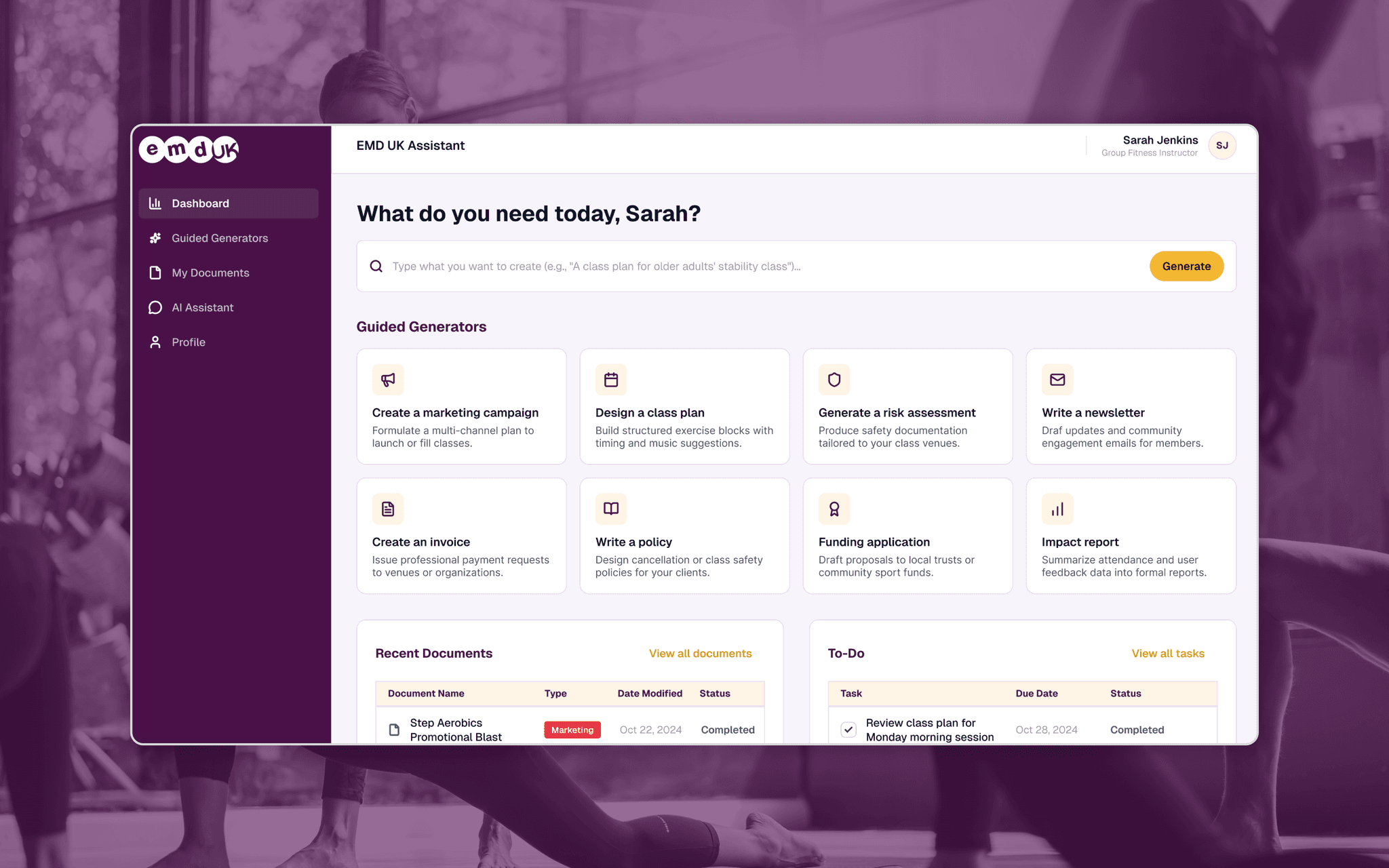
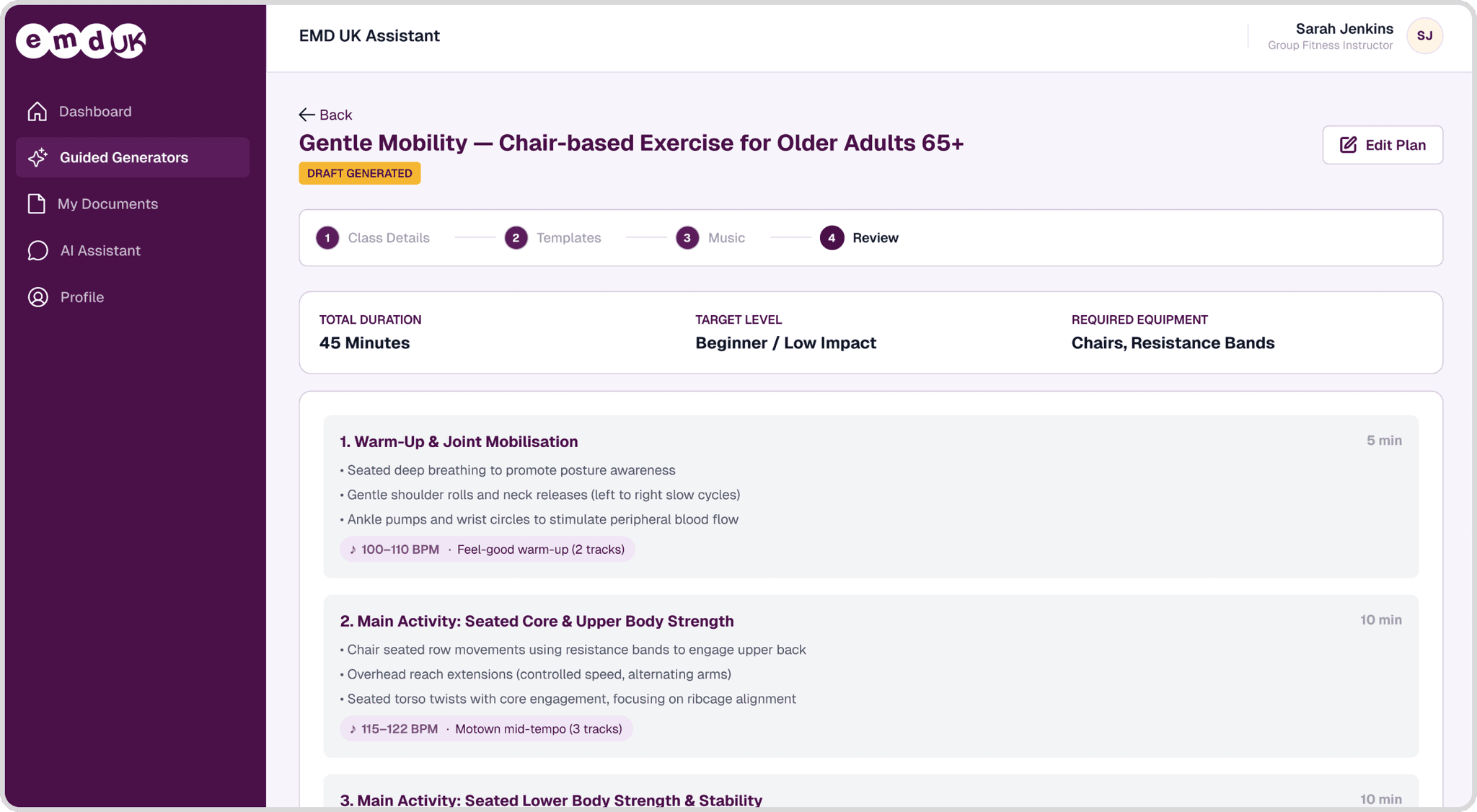
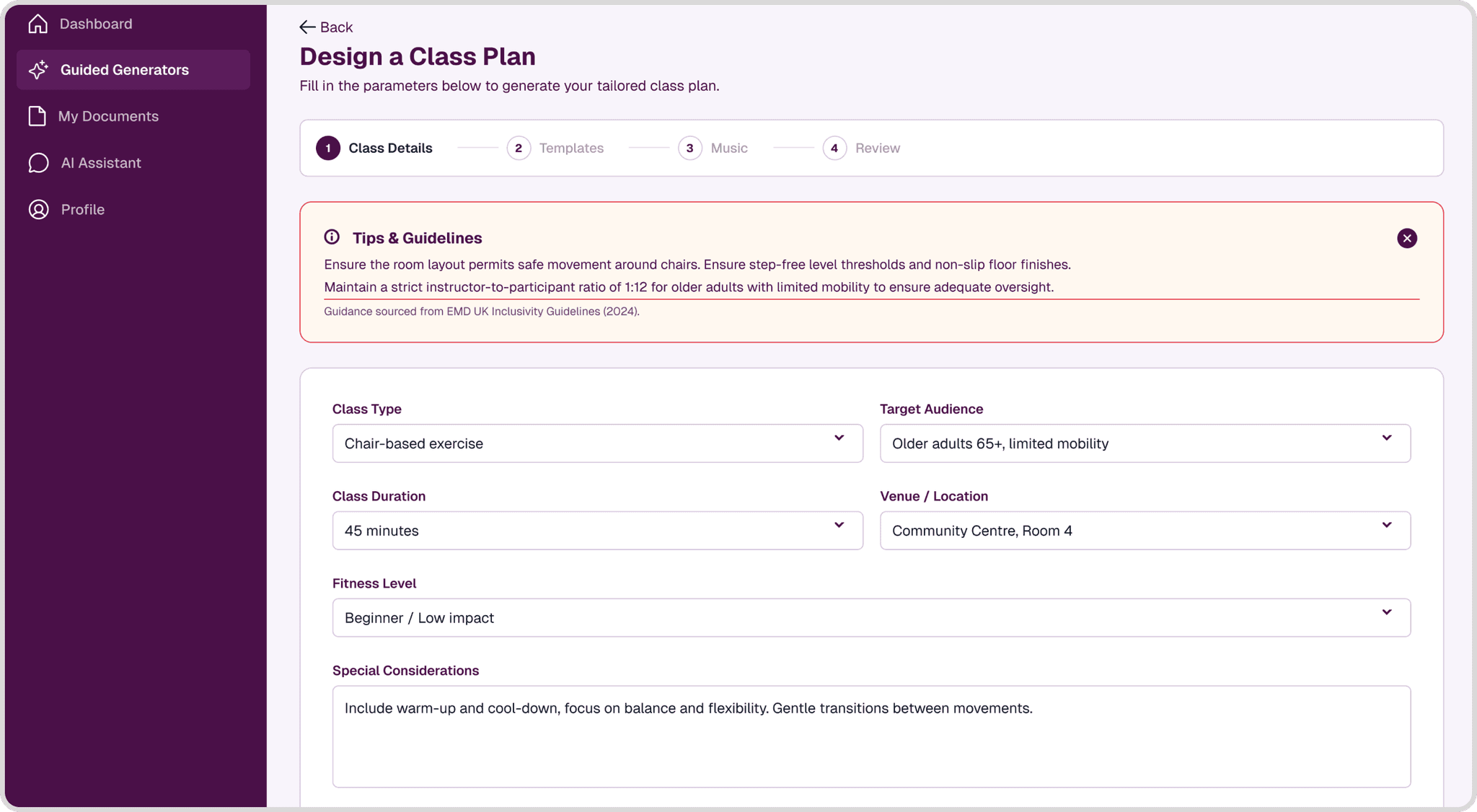
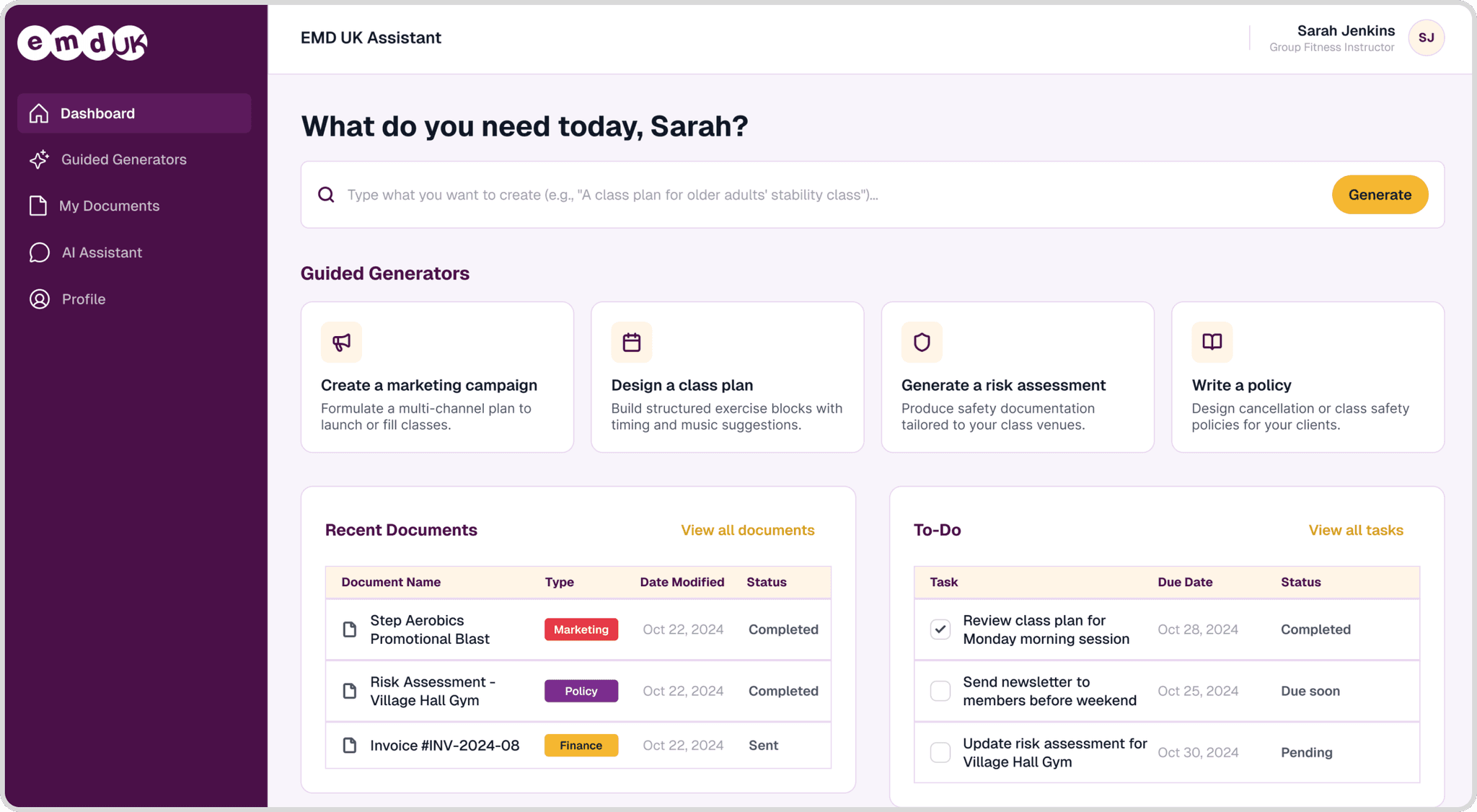
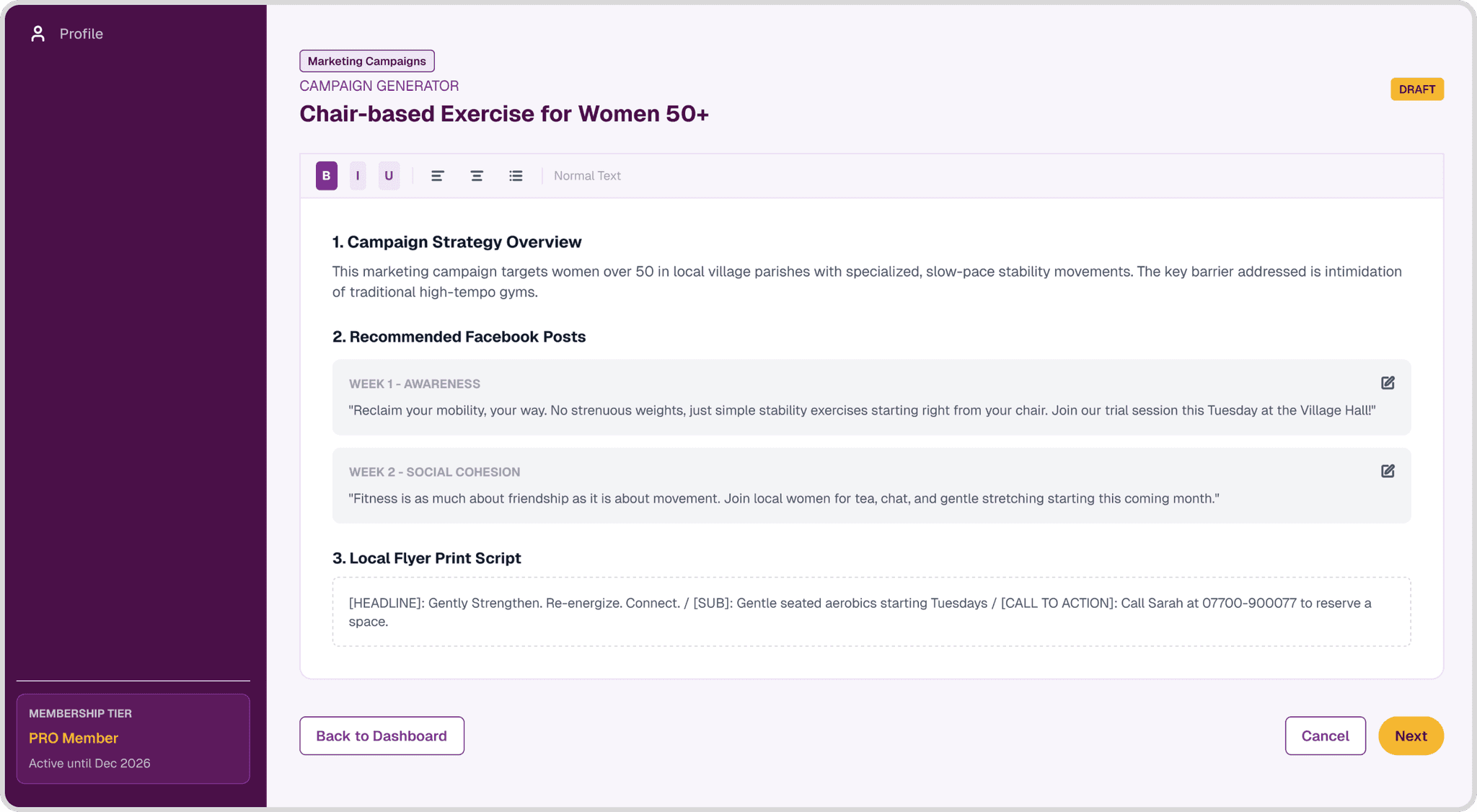
Through the scoping process, we established a proposed product centred on three guided AI generators covering marketing content, class planning and professional policies. Each would use structured questions to gather relevant information, allowing instructors to produce useful, editable content without needing to understand complex AI prompting.
Alongside these tools, the proposed platform includes a conversational AI assistant for open-ended questions, content refinement and additional support. A task-first dashboard would keep core functionality accessible, while personalised instructor profiles could store relevant business information and professional context for reuse across the experience, reducing repetitive data entry and improving consistency.
The intention is to make AI a practical extension of an instructor's working routine, rather than introducing another complicated system to manage.
Exploring Trusted, Evidence-Based AI
An important part of the technical assessment was establishing how professional guidance could be supported by reliable sources. We explored a Retrieval-Augmented Generation (RAG) architecture that would connect an established AI model to a curated repository of EMD UK-approved and relevant third-party knowledge.
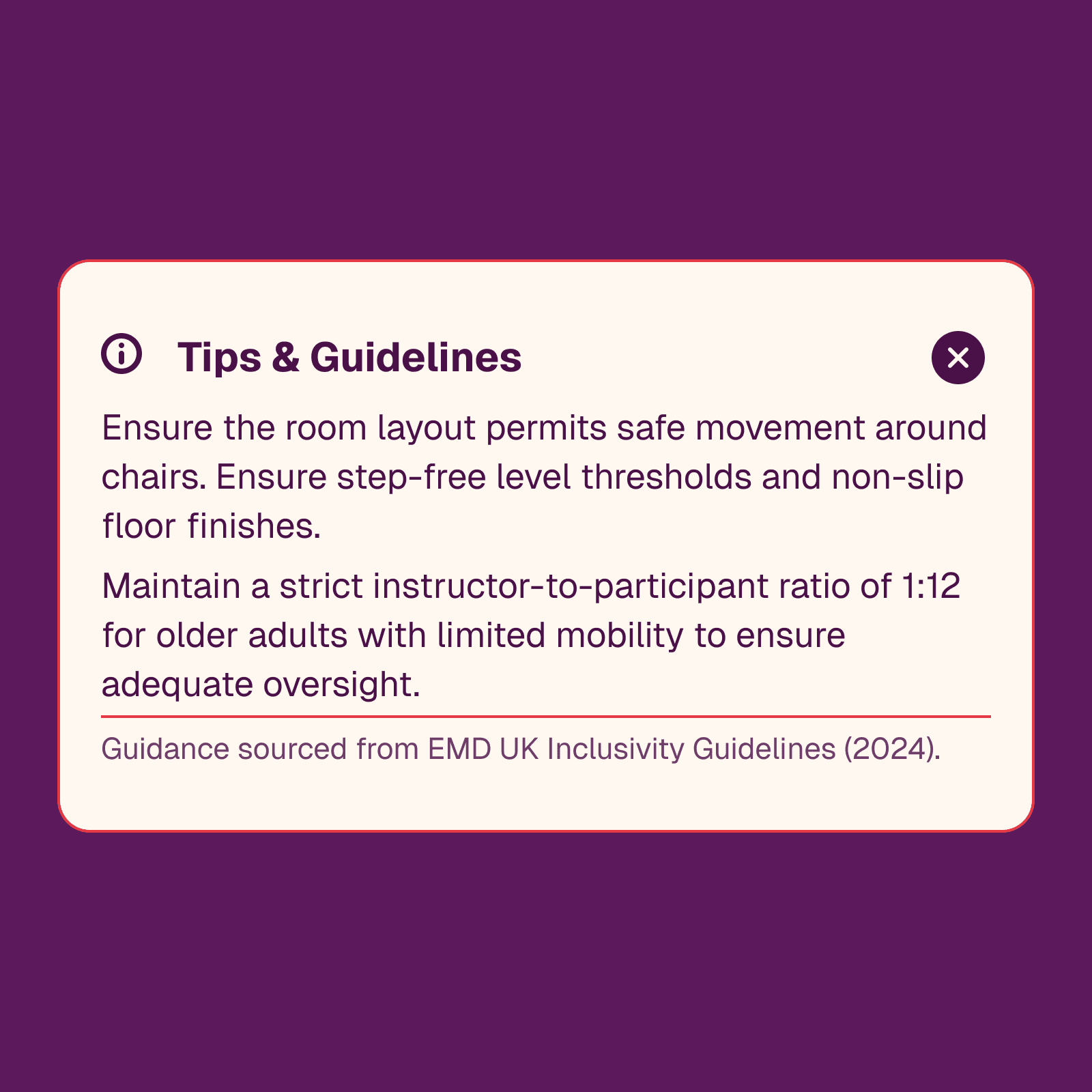
This approach could enable the platform to retrieve supporting information when answering professional questions, display relevant sources and introduce safeguards where guidance is missing, contradictory or outside the approved knowledge base. It would allow EMD UK to maintain greater control over the professional information available through the proposed assistant while distinguishing verified guidance from general AI-generated content.
Defining the Technology and MVP Roadmap
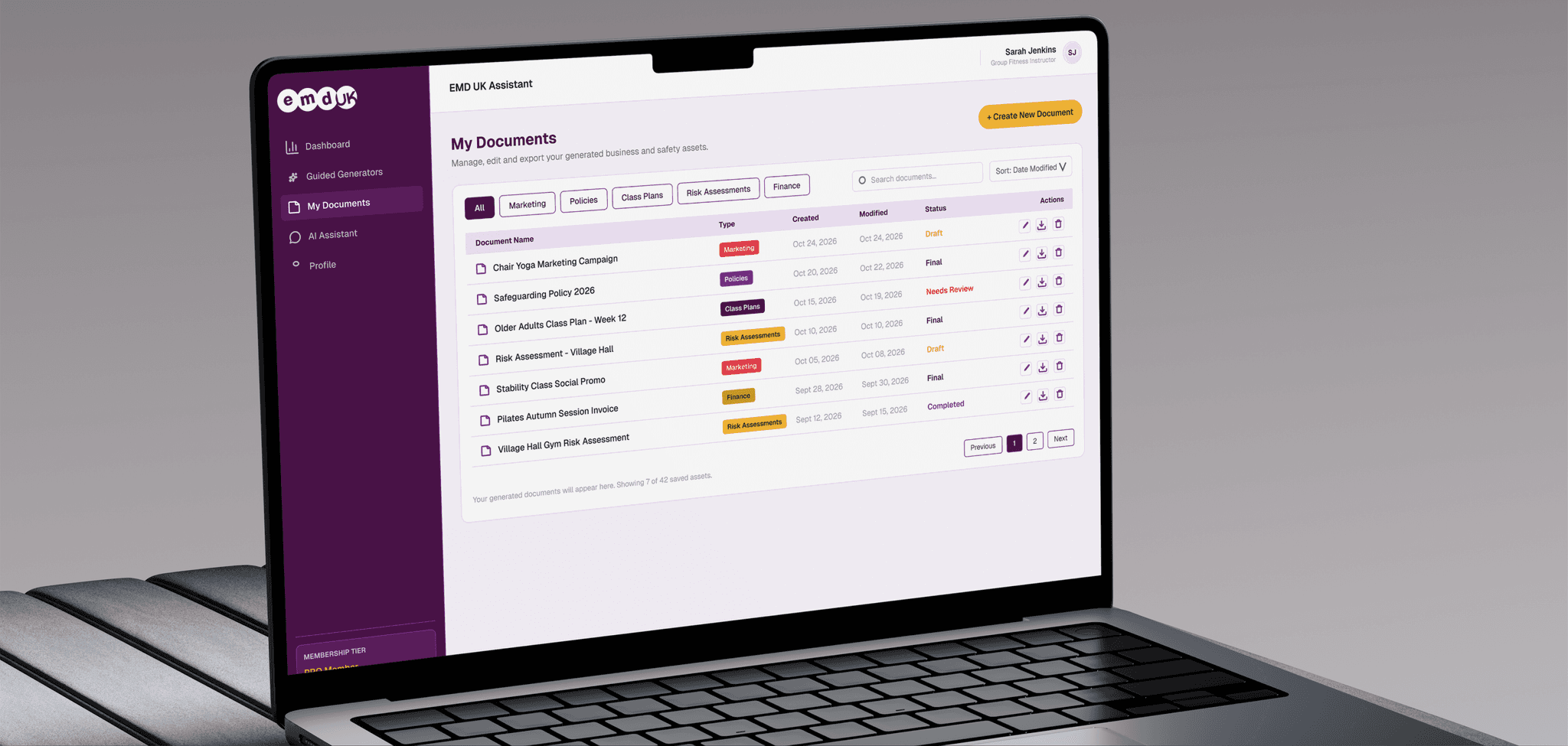
Our technical review considered the architecture required to support the platform, including a responsive web application, secure accounts, AI orchestration, structured data storage, document management and administrative controls. We also explored potential connections with EMD UK's membership and learning systems, including Sport:80, identifying areas requiring further validation.
By reviewing these considerations before development, we helped shape a proposed MVP that balances functionality, usability and technical feasibility. The resulting scope establishes a phased approach, with the flexibility to introduce additional integrations, commercial access models and AI functionality as the product evolves.

THE OUTCOME
A Clearer Route From Concept to Development.
PROPOSED MVP FEATURES