



Web App Design Agency: How to Choose the Right One.
Find, vet, and hire the right web app design agency. Our step-by-step guide covers everything from budgeting to post-launch support.
Web App Design Agency: How to Choose the Right One.
A web app design agency takes a software product from discovery and information architecture, through wireframes, prototypes and interface design, to a build-ready handover and often all the way to launch. That is the job. The harder part is working out which agency can actually do it. Getting this right leans as much on UI/UX design judgement as on engineering.
The market gives you plenty of choice and little help. The UK digital agency sector turned over roughly £20.4 billion on Capsule CRM's 2026 numbers, and the web design services slice alone is worth about £675.9 million in 2026 per IBISWorld. Thousands of studios, all with tidy portfolios and similar promises.
This guide is written for the person choosing a web app design agency: the founder, product lead or CTO who has to compare three proposals and defend one of them.
Some teams want an agency that designs alongside their own people, which is how our collaborative product development works.
Key Takeaways
- Most agency shortlists come from referrals, so verify capability yourself.
- The end-to-end journey (discovery, IA, wireframes, prototype, UI, handover, launch) is where proposals diverge most.
- A design sprint can put a clickable prototype in front of stakeholders in days, not months.
- Design spend is one of the easier things to justify with data, if you ask for the right numbers.
- The strongest signal from any web app design agency is a shipped product you can open and use, not a portfolio image.

Three proposals, one budget, and nobody willing to say which one is guessing.
What a Web App Design Agency Actually Does, End to End
Strip away the language and the work falls into six stages.
Discovery. Interviews, competitor teardowns, a written view of who the users are and what the product has to do. This is where scope gets set, and where bad projects are born. Skipping straight past a discovery phase to save a week is the single most common way a proposal goes wrong.
Information architecture. How the app is organised: navigation, object model, what lives where. Dull, and the biggest determinant of whether users find things.
Wireframes. Low-fidelity structure for each screen, argued over cheaply before anyone writes code.
Prototype. A clickable version real people can attempt tasks in. This is what you test and what you show stakeholders.
Interface design. Visual system, components, states, accessibility, the parts that make it feel finished.
Handover and build. Design tokens, component specs, and someone answering the developers' questions in week seven when the edge cases surface.
A full-service partner covers all six. A design-only studio stops at handover, which is fine if you have engineers waiting. If you do not, you have just bought half a project. Ask which stages the proposal covers before you compare anything else. Full-service partners typically hand the design over to a build team in-house rather than to a third party.
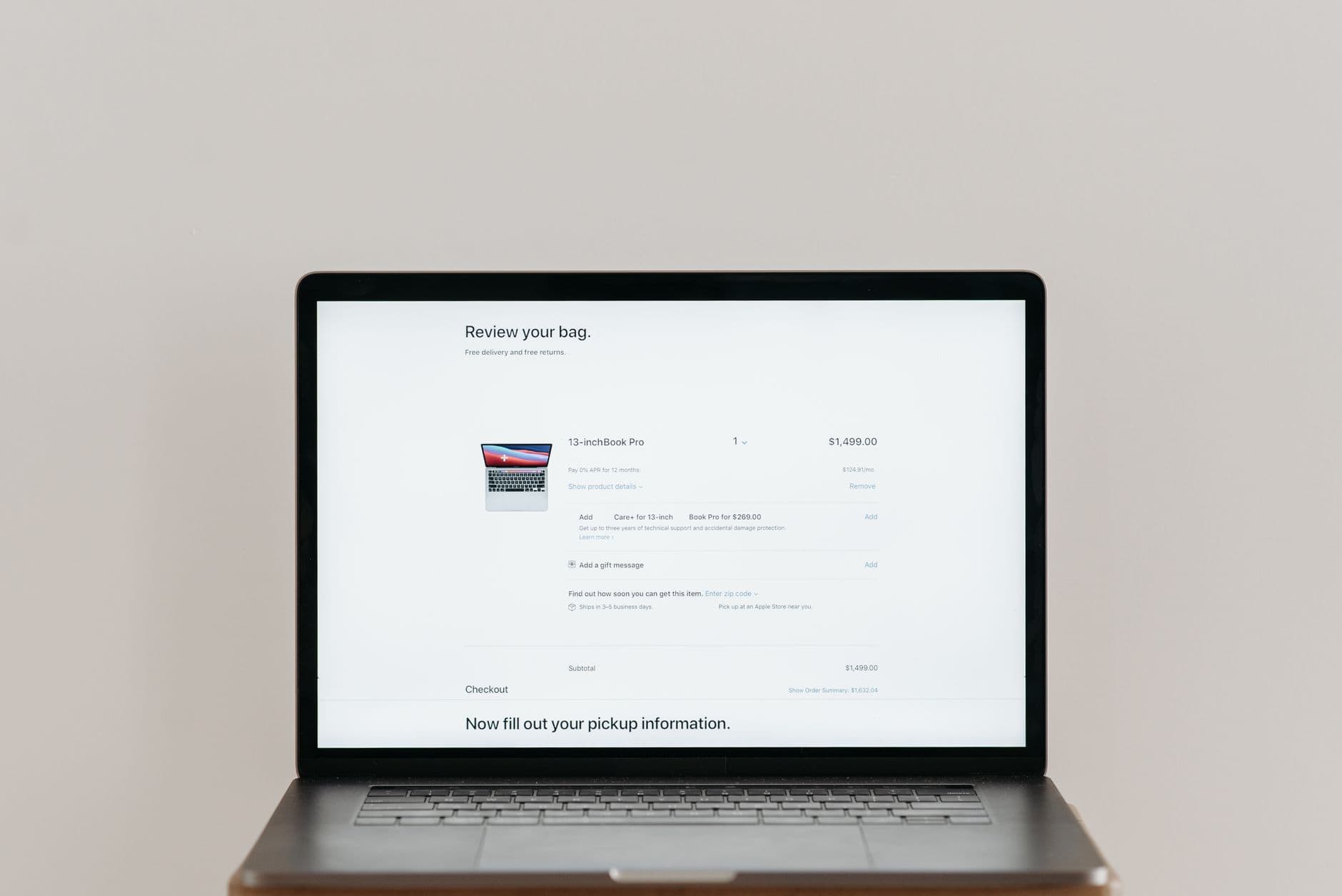
The screens are the easy bit. The empty states are where projects go to die.
When a Specialist Web App Design Agency Beats a Generalist
Not every job needs a specialist. A brochure site with a contact form does not.
A web app design agency earns its fee where the work is behavioural: state, permissions, empty screens, error handling, the thousand small decisions a marketing site rarely faces. Promethean Research found that around 70% of agencies changed their service mix during 2025. In the same 2026 report, design-led firms grew roughly three times faster than generalists, which tells you where capability is concentrating.
Bench strength matters too. Haus Advisors' 2026 benchmarks put 87% of agencies under 50 people. Small is not a problem in itself, and small studios often do the sharpest work. It becomes a problem when a four-person team quotes for discovery, design, build and a year of support, and one illness takes out a third of your project.
The test is simple: can they name the individuals doing your work, and show you what those individuals shipped?
The Design Journey: From Wireframes to Launch
Timelines are where proposals get optimistic. Netguru's 2026 guide puts a well-scoped MVP at roughly three to four months from wireframes to launch. Design and prototyping are the compressible part, down to about 7 to 10 days when run as a sprint.
Use that as your sanity check, and ask any web app design agency to map its stages against it. A rough shape for a first release:

Two things to watch. Design rarely finishes before build starts on a good project; a proposal showing them as neat sequential blocks may not have run this before. And the compressible stage is prototyping, not discovery. Cutting discovery to save a fortnight is how you end up redesigning in month five.
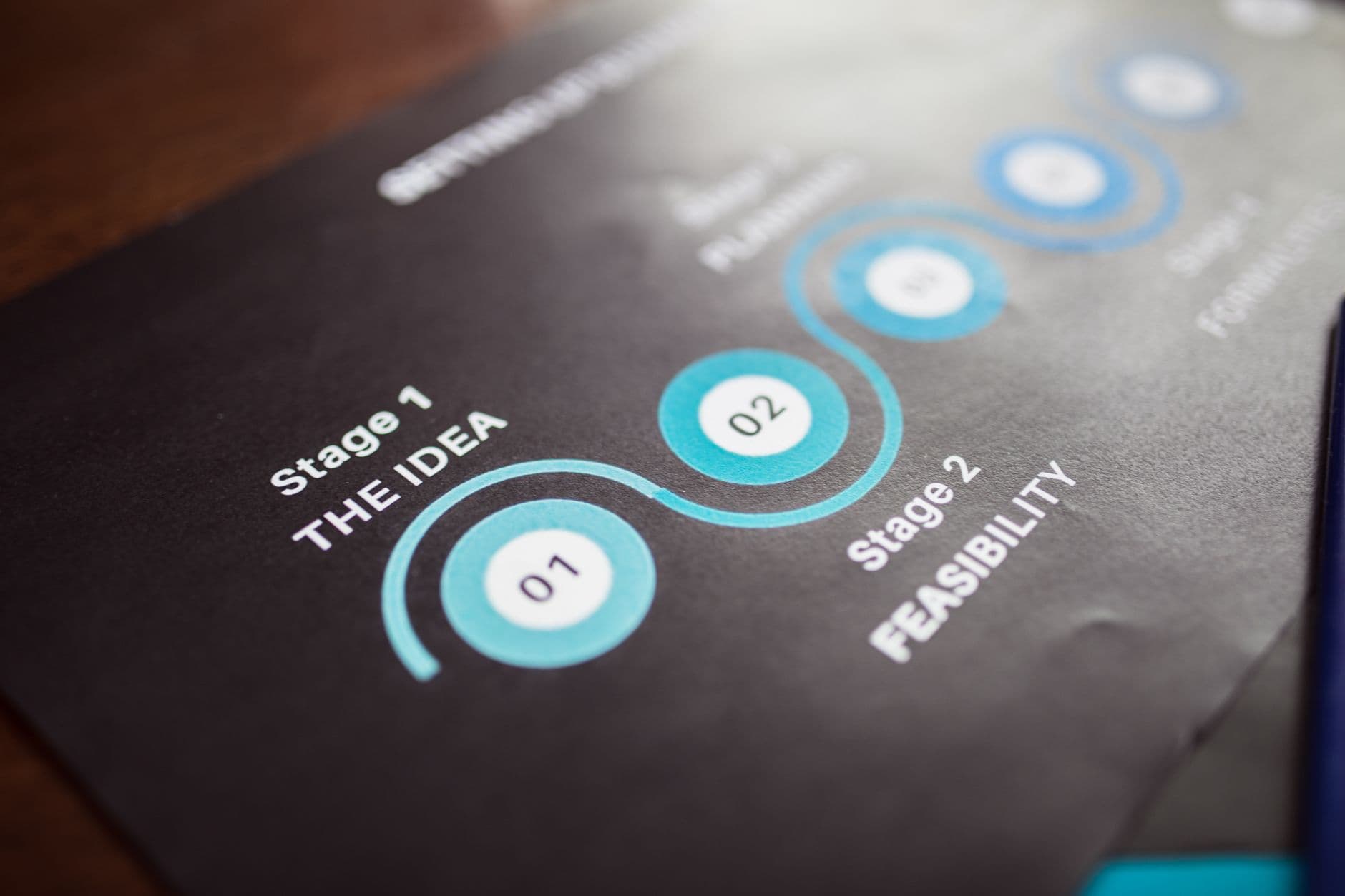
Every timeline is fiction until someone asks about the existing data.
How to Prototype Fast Enough to Pitch Stakeholders
Plenty of buyers arrive with a specific, urgent job: get something clickable in front of a board, an investor or an exec sponsor before the budget conversation closes.
That is what a design sprint is for. A tightly scoped week or two, ending in a prototype real users can attempt tasks in. You are not buying a finished product. You are buying evidence, cheaply, before you commit to the expensive part.
It works as an audition for a web app design agency as well. A sprint tells you how a team handles ambiguity, whether they push back, and whether the person in the pitch is the person who does the work. Running one before a larger engagement is the least expensive due diligence available to you, and our product studio runs the same pattern for exactly that reason.
One caution. A prototype that tests well proves the concept, not the build. Ask what the sprint output does and does not commit you to.
How to Compare Web App Design Agency Proposals Side by Side
Haus Advisors report that 75% of agencies still get most new business through referrals. Referrals are a decent filter for whether a firm is pleasant to work with. They prove nothing about whether it can build your product.
So verify directly. Score every web app design agency proposal on the same six lines:
- Shipped web apps. Not a portfolio image. A live URL you can open, or a demo they walk you through.
- Named team. Who exactly, at what seniority, for what portion of their week.
- Stages covered. Which of the six stages above are in scope, and what happens at the seams.
- Handover format. Tokens, components, documentation, and who answers developer questions afterwards.
- Evidence of outcomes. A number attached to a past project, with the client's name on it.
- What changes if you are wrong. How scope changes are handled, and what it costs you in time.
Three to five proposals is enough. More than that and you are comparing marketing, not capability.

A week of this beats a quarter of arguing about it in a document.
Red Flags in a Web App Design Agency Proposal
A few patterns are worth treating as warnings. Any one of them may have a good explanation. Ask for it.
No measurable outcomes anywhere. Case studies that describe what was made but never what changed suggest nobody measured, or nobody liked the answer.
A portfolio of screens, not products. Beautiful dashboards with no live link behind them. Ask which of these shipped, and to whom. It is worth understanding how a web application actually gets built before you judge whether a portfolio image is real.
The senior people vanish after the pitch. Common, rarely admitted. Ask who is on the tools in week six.
Timelines with no discovery. A fixed launch date offered before anyone has seen your data model is a guess dressed as a commitment.
Vague deliverables. "UX design" as a line item means nothing. "Wireframes for 14 screens, tested with 5 users" means something.
What Good Product and UX Design Returns
Design is easier to justify than most people assume, provided you argue with numbers.
The often-quoted ceiling is that every £1 invested in UX can return around £100, per UX Crush's 2026 statistics round-up. Treat that as an upper bound from favourable cases, not a forecast for your project. The more grounded figure sits lower: Arounda's 2026 data reports UX redesigns delivering an average +31% conversion growth and a 351% three-year ROI across SaaS, FinTech and Web3 clients.
There is a credibility effect before anyone reaches your product. Around 75% of users judge a company's credibility on its website design, and UK 2026 data suggests visitors form that opinion in under 0.05 seconds. You do not get to explain the roadmap first.
The practical move: agree the metric before the work starts. Task completion, drop-off at a named step, support tickets per hundred users. A web app design agency that will not commit to being measured is telling you something.
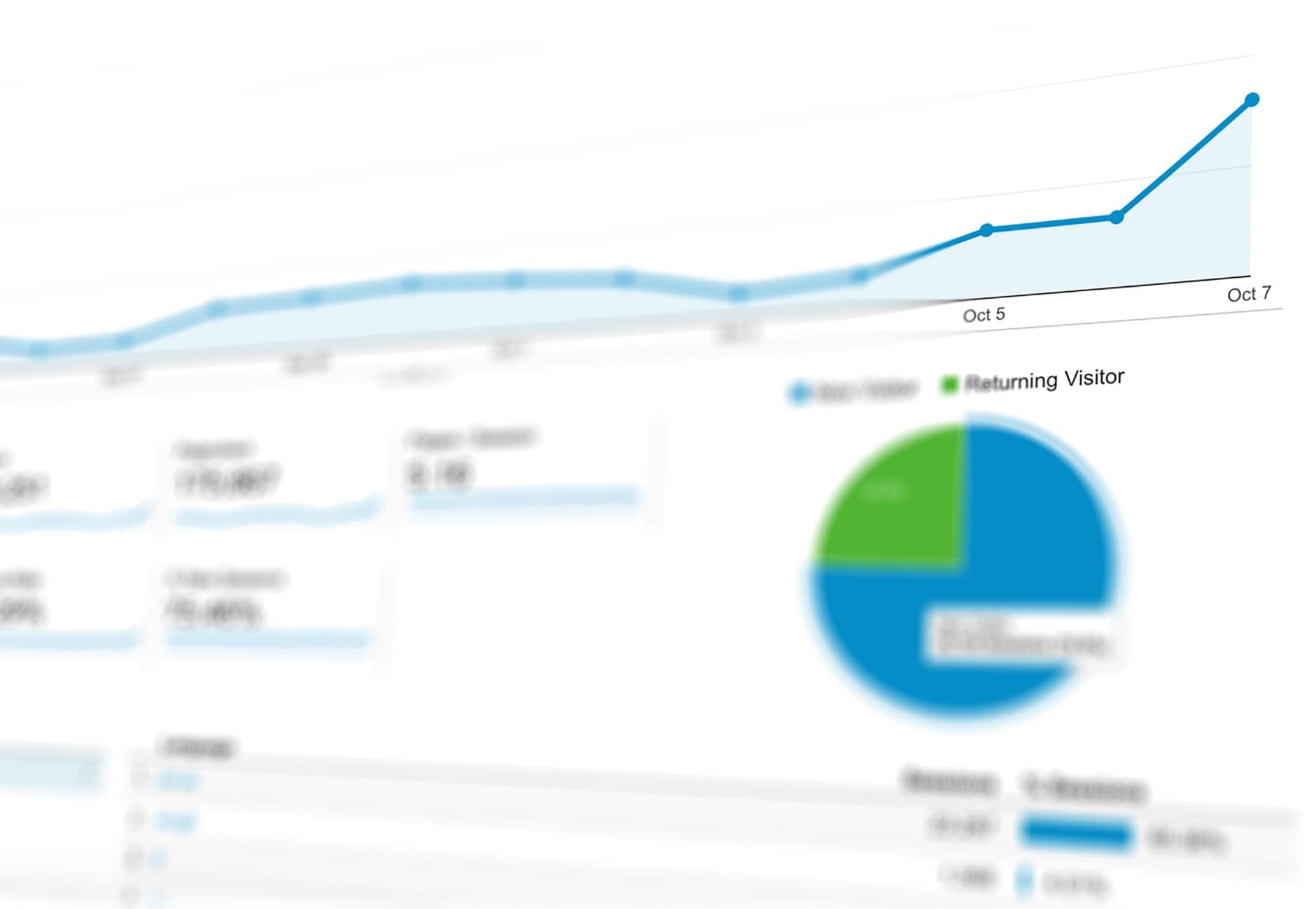
Numbers going up is the only case study format nobody can rewrite afterwards.
What Drives the Cost of Hiring a Web App Design Agency
Quotes vary enormously between agencies for what looks like the same brief, and the variance is usually explained by four things.
Scope depth. Fourteen screens is not seven screens twice. Admin views, permissions and empty states double a design system.
Research volume. Testing with real users costs real time, and tends to be the cheapest thing in the project relative to what it prevents.
Team composition. A named senior designer for three days a week is a different proposition from a junior with occasional oversight. Some buyers solve this by choosing to hire web app developers directly, without an agency layer.
Ownership of the build. Whether the agency stops at handover or carries the work into web application development changes both the price and the risk you are left holding.
Ask each agency to break the quote across those four, and the numbers usually start making sense.
Questions to Ask Before You Sign
Take these into the last call with each web app design agency and write the answers down.
- Which of the six stages are in scope, and what is explicitly excluded?
- Who does the work, and what else are they on that month?
- Can you show me a live web app you designed, and tell me what improved?
- How do you hand over to engineers, and what happens when they have questions?
- What did you get wrong on a recent project, and what changed as a result?
- Who owns the files, the research and the IP?
- How do we handle a scope change in week six?
- What metric will we agree to judge this by?
The last two matter most. The first six test competence; those two test honesty.
Frequently Asked Questions
How Much Does It Cost to Hire a Web App Design Agency?
There is no useful single figure, because the same brief can price very differently depending on scope depth, research volume, team seniority and whether the build is included. Ask each agency to break their quote across those four drivers. Comparing totals tells you little; comparing what sits underneath the totals tells you almost everything.
How Long Does It Take to Go from Wireframes to Launch?
Netguru's guidance puts a well-scoped MVP at roughly three to four months from wireframes to launch. Design and prototyping can compress to about 7 to 10 days in a sprint format, but discovery generally cannot compress without cost. If a proposal shortens the timeline by trimming discovery rather than by narrowing scope, expect the saved weeks to reappear later as rework.
What Is a Design Sprint and When Should I Run One?
A design sprint is a tightly scoped exercise, usually one to two weeks, that ends with a clickable prototype and evidence of real users attempting tasks in it. Run one when you need stakeholder buy-in quickly, when the concept is genuinely uncertain, or when you want to audition an agency before committing to a longer engagement.
How Many Agencies Should I Include in an RFP?
Three to five is the practical range. Fewer gives you no comparison; more turns the exercise into a reading task and pushes you towards judging the writing rather than the capability. Send every agency the same six evaluation lines, and score them on one sheet rather than on how the calls felt.
What Is the Difference Between a Web Application Design Agency and a Web Design Studio?
A web design studio is generally built around content-led sites: pages, brand, marketing goals. A web application design agency works on software, where state, permissions, data and error handling drive the design. In practice most buyers searching for a web app design agency want the second kind. Both may look similar in a portfolio. The difference shows in whether they can point at a live product with real users behind a login.
Should I Hire a Specialist for My Sector?
Sector experience helps in regulated or high-complexity spaces such as health-tech or transport, where domain constraints shape the interface. Elsewhere it matters less than people assume. Weigh a shipped web app of comparable complexity above a sector match with nothing complicated in it.

The handshake is fine. Get the IP clause in writing anyway.
Start with the Evidence, Not the Pitch
Pick your three proposals, then do one thing before you read any of them: ask each agency for a live web app they designed and the number that improved because of it. The responses will sort the shortlist faster than the documents will.
From there, run the six-line comparison, ask the ownership and scope-change questions, and agree the metric you will be judged against together. Choosing a web app design agency is mostly an exercise in refusing to accept unverifiable claims, patiently, until only the ones who can prove things are left. If a sprint would settle the argument sooner, that is usually the cheapest place to start. For the earlier steps in that process, our guide on choosing a web design agency covers the shortlist stage in more depth.
About the Author
Hamish Kerry is the Marketing Manager at Arch, where he has spent the past six years shaping how digital products are positioned, launched, and understood. With over eight years in the tech industry, he has a deep understanding of accessible design and user-centred development, with a focus on delivering real impact to end users. His interests include AI, app and web development, and the transformative potential of emerging technologies. Outside campaigns, he follows how tech can drive meaningful change.
You can catch up with Hamish on LinkedIn
Sources
- Capsule CRM, Digital agencies in the UK by the numbers: stats and trends for 2026 (published 19 September 2025)
- IBISWorld, Web Design Services in the UK Market Size Statistics for 2026 (published 1 February 2026)
- Haus Advisors, Marketing Agency Industry Statistics: 2026 Benchmarks (published 8 July 2026)
- Promethean Research, Digital Agency Industry Report (published 15 January 2026)
- UX Crush, 47 UX Statistics You Need to Know in 2026 (published 5 May 2026)
- Arounda, 45+ UX Statistics Nobody is Talking About: Real 2026 Data (published 1 June 2026)
- YourDigiLab, Latest Web Design and Development Statistics & Industry Analysis in the UK (2026) (published 26 March 2026)
- Netguru, How Long Does It Take to Build an MVP? A Practical Guide (published 25 March 2026)