



London Lab Live 2026: Inside the Future of the Intelligent Lab.
Explore Arch’s key takeaways from London Lab Live 2026, where AI, automation, connected lab infrastructure, and emerging healthtech startups shaped the conversation around the future of scientific innovation.
London Lab Live.
Share Via:
London Lab Live 2026 showed how quickly the laboratory and life sciences sector is evolving, and for Arch’s Paul Cousins it was one of the more worthwhile industry events he’s attended in recent months.
Held at ExCeL London, the show brought together enterprise organisations, specialist suppliers and a healthy startup community, all focused on the future of laboratory technology, scientific research and operational innovation.
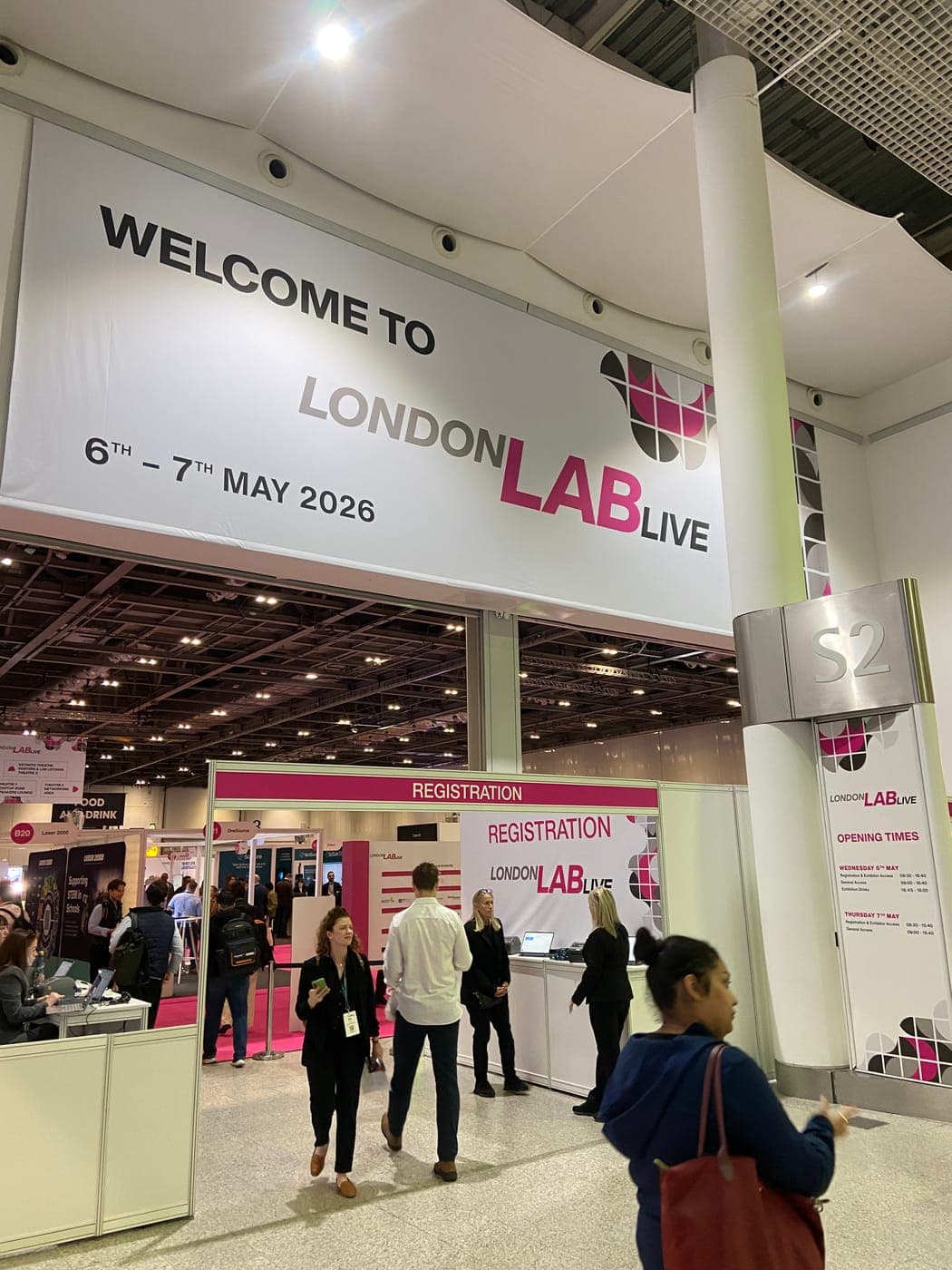
Many of the larger exhibitors showed physical lab infrastructure, testing equipment and laboratory hardware, but a major theme across the event was the growing role of intelligent systems. Laboratory Information Management Systems (LIMS), AI-enabled workflows, automation platforms and connected digital infrastructure featured heavily across the exhibition floor and conference agenda.
The startup presence was particularly notable. Emerging companies demonstrated technologies aimed at organisations ranging from the NHS and diagnostics providers to specialist testing and pharmaceutical companies. For Paul, the balance between established industry players and newer innovators gave the event a strong sense of momentum.
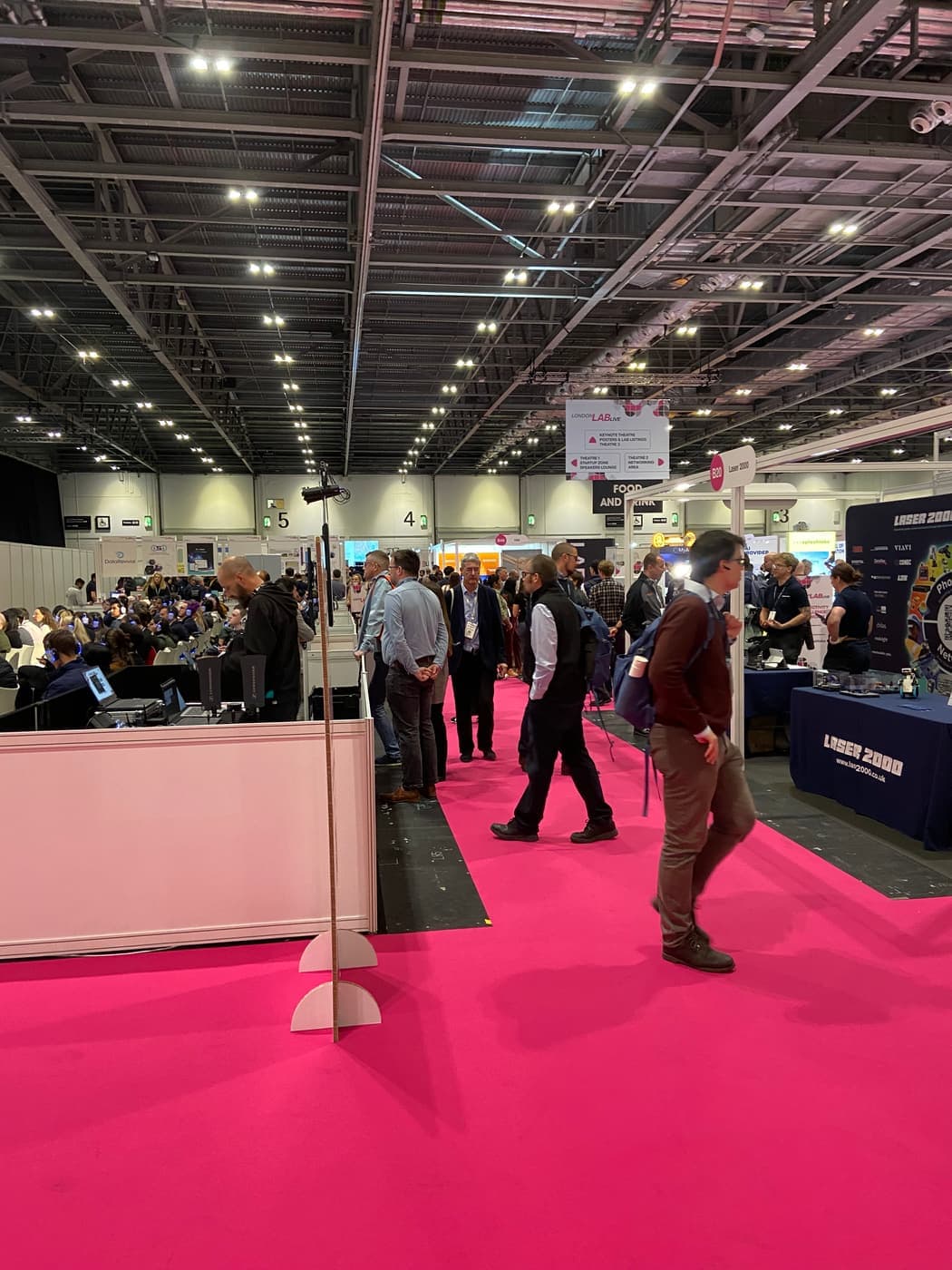
“The footfall felt genuine,” he reflected after the show. “The conversations felt focused and commercial, with attendees actively looking for solutions and partnerships.”
That energy carried into the conference sessions too. Talks on AI, automation, interoperability and the concept of the “intelligent lab” drew consistently strong audiences throughout the day, a sign of how quickly the sector is shifting towards more connected, data-driven ways of working.
One of the clearest takeaways from the event was how practical the conversation around AI has become. Exhibitors and speakers alike focused on operational improvements, workflow efficiency, and how connected systems can help scientists spend less time navigating fragmented processes and more time on research and discovery.