



Research: Apps in the Health and Beauty Sector.
In this blog, we examine how apps are influencing the health and beauty industry and consider how businesses can connect with consumers through them.
Research: Apps in the Health and Beauty Sector.
Share Via:
All organisations should keep up with industry trends, but when it comes to creating software, understanding and using trends can decide whether a product succeeds or fails. In 2021 we saw businesses in the Health and Beauty industry take bold leaps into the metaverse, NFT’s and AI to accompany their product offering and enhance user experience.
This year we’re broadly seeing a continuation of that trend, however, with greater consumer engagement. In order to find out how impactful these advancements are for the industry, we recently conducted market research to learn more about how companies can use apps to interact with their customers better and diversify their product offerings.
We hope you like what we discovered!
Health and beauty brands planning an app of their own can start with our health tech app development page, which covers research through to release.
Where health and beauty products meet pharma rules, our pharmaceutical software development page covers CRM and the software around it.
A little bit about our experience in the sector
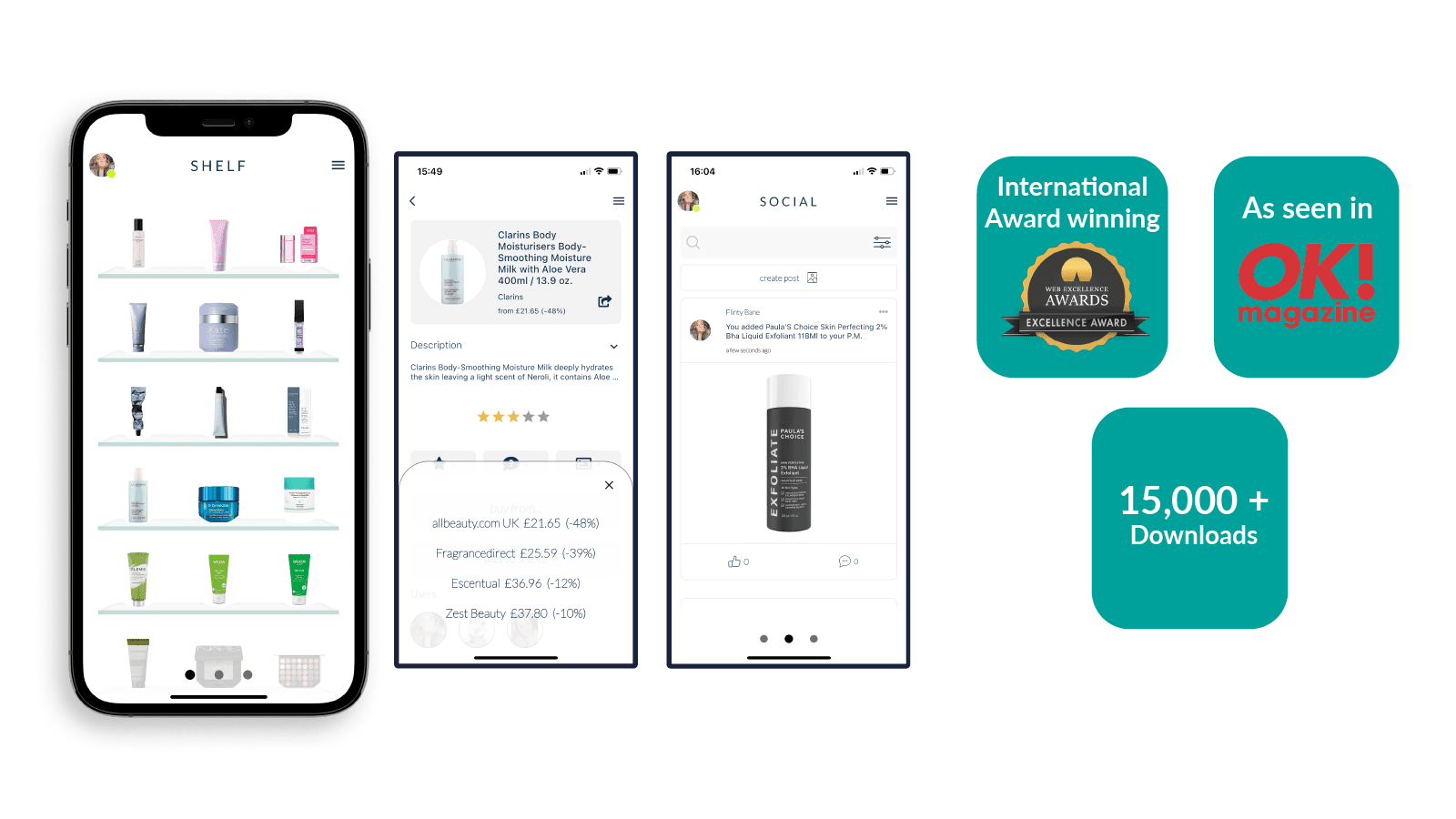
We’re no strangers to the sector. In 2021 we helped the Health and Beauty community start-up SKIN launch their flagship app. The iOS and Android app (developed in the Google backed language, Flutter) features a personal inventory of products or 'shelf' with which users can interact to show their most used skincare products. It also has social networking features that let users interact with other members of the beauty community, follow influencers and share new products with their friends.
You can read more about the app and its success here: Our work with SKIN
The health and beauty app landscape
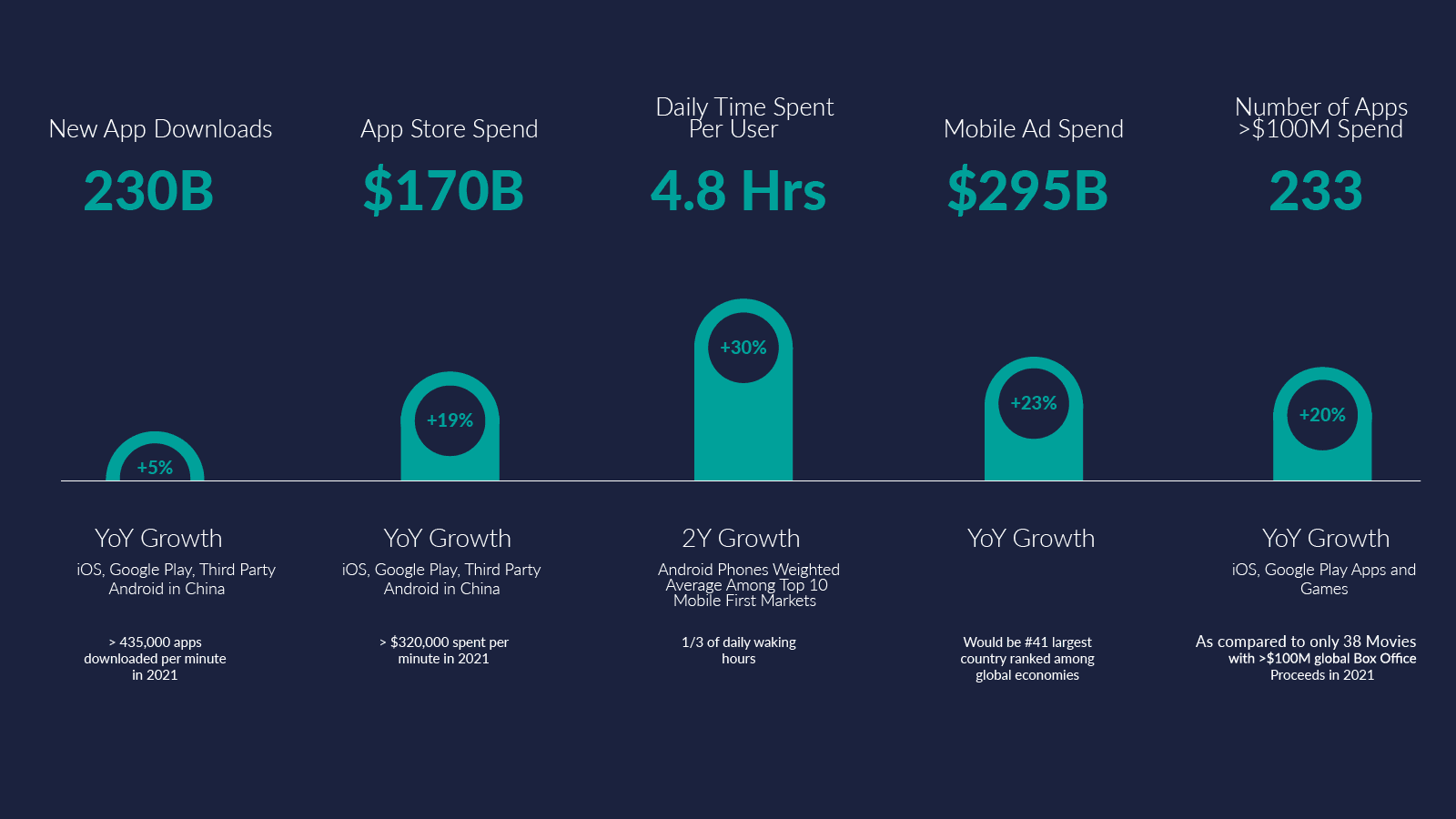
Traditional retail and service-based industries have seen enormous growth in demand from a constantly shifting customer landscape since the popularisation of brand-based apps in the early 2000s. In 2020, 79 percent of smartphone users made an online purchase using their devices, generating mobile revenue sales of £259.65 billion ($308.28 B USD). The advantages of a consumer-based sector like health and beauty are clear.
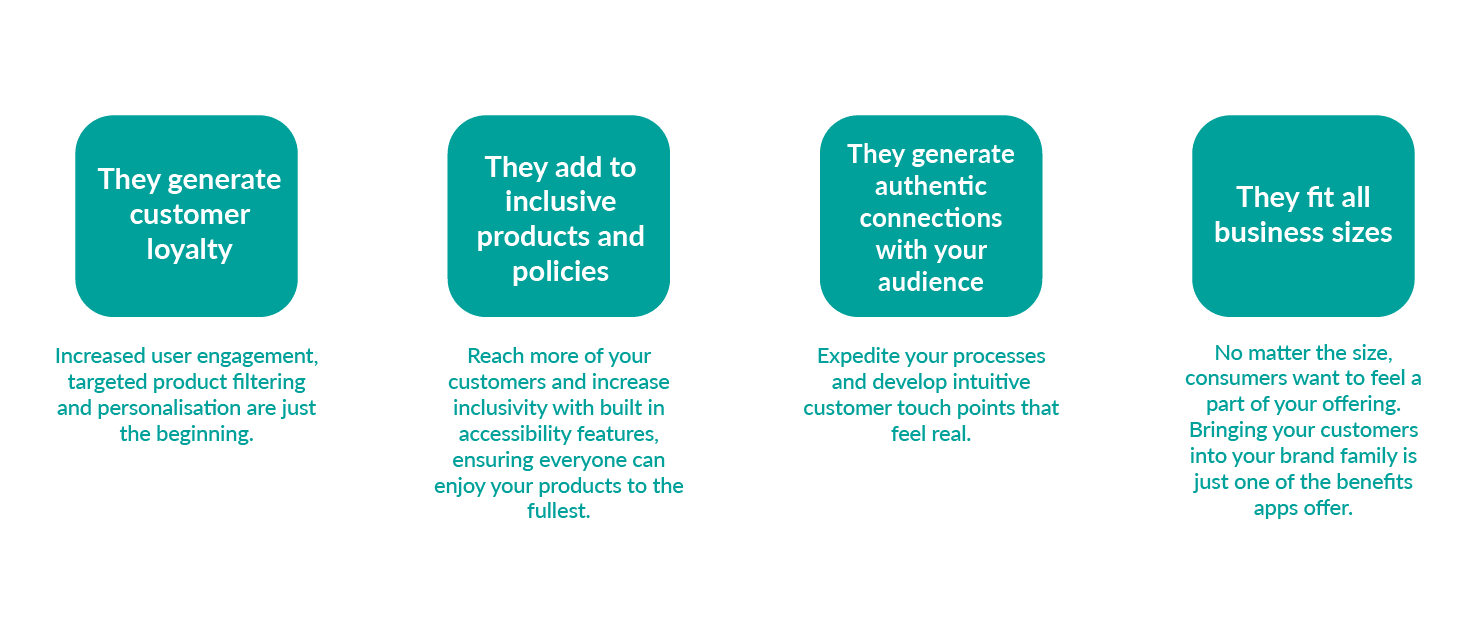
Here’s a few reasons why we’re excited about the future of cosmetics apps:
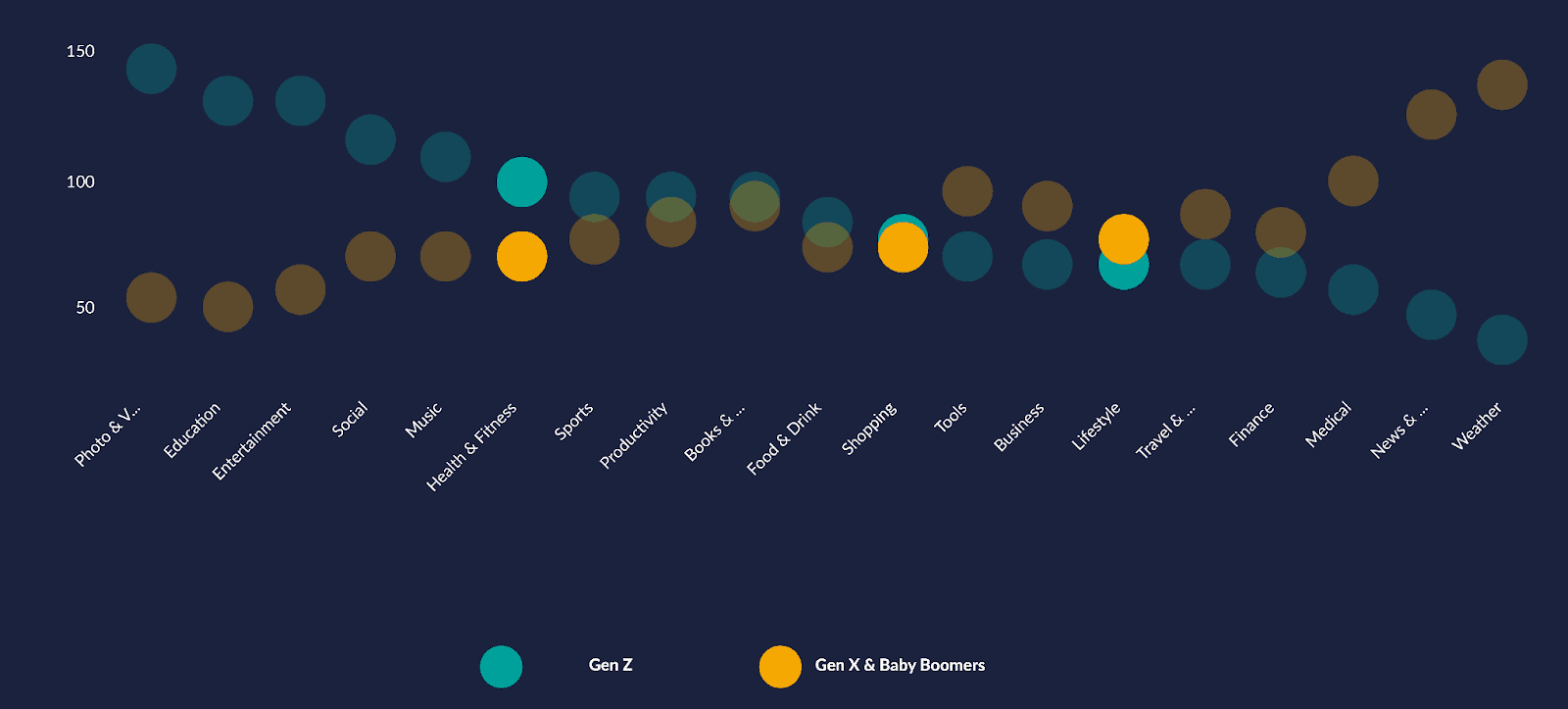
Average Age Group Index Among Top Apps Per Category
Beauty and cosmetic apps have secured a market share that defies generational boundaries. While younger consumers are inclined to enjoy diverse featuresets, uptake is strong in older generations where simplified shopping and information services form part of core functionality.
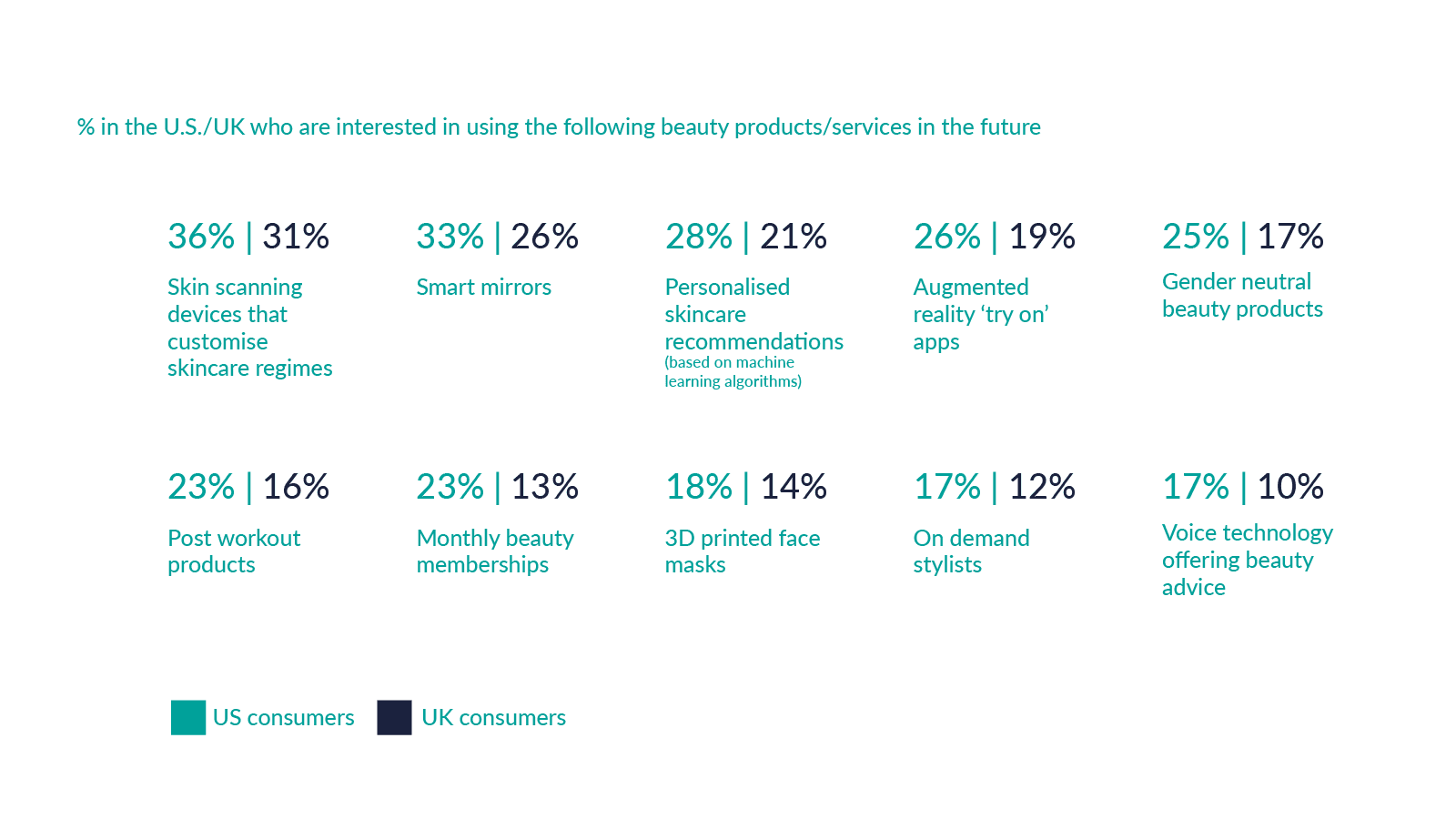
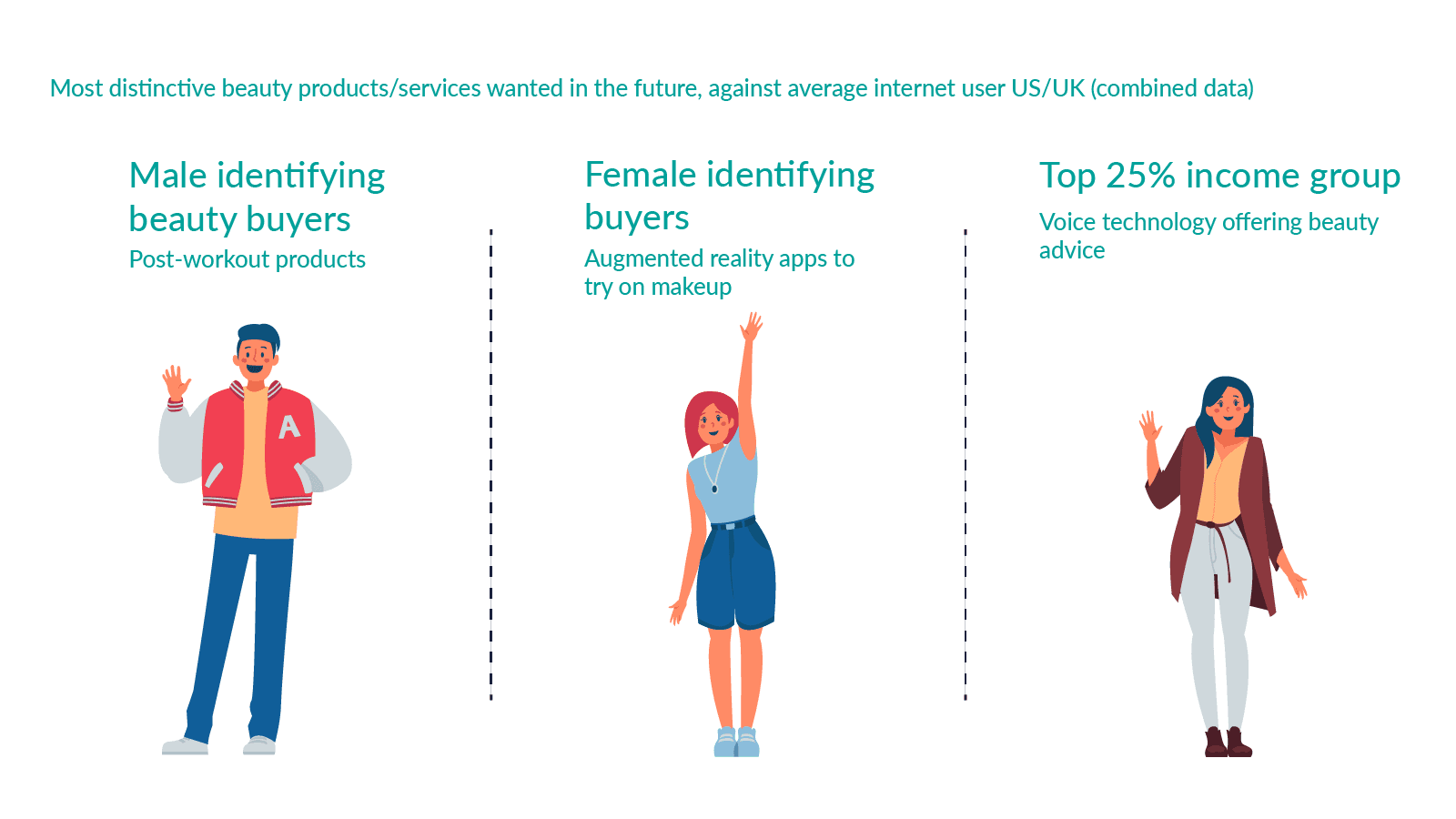
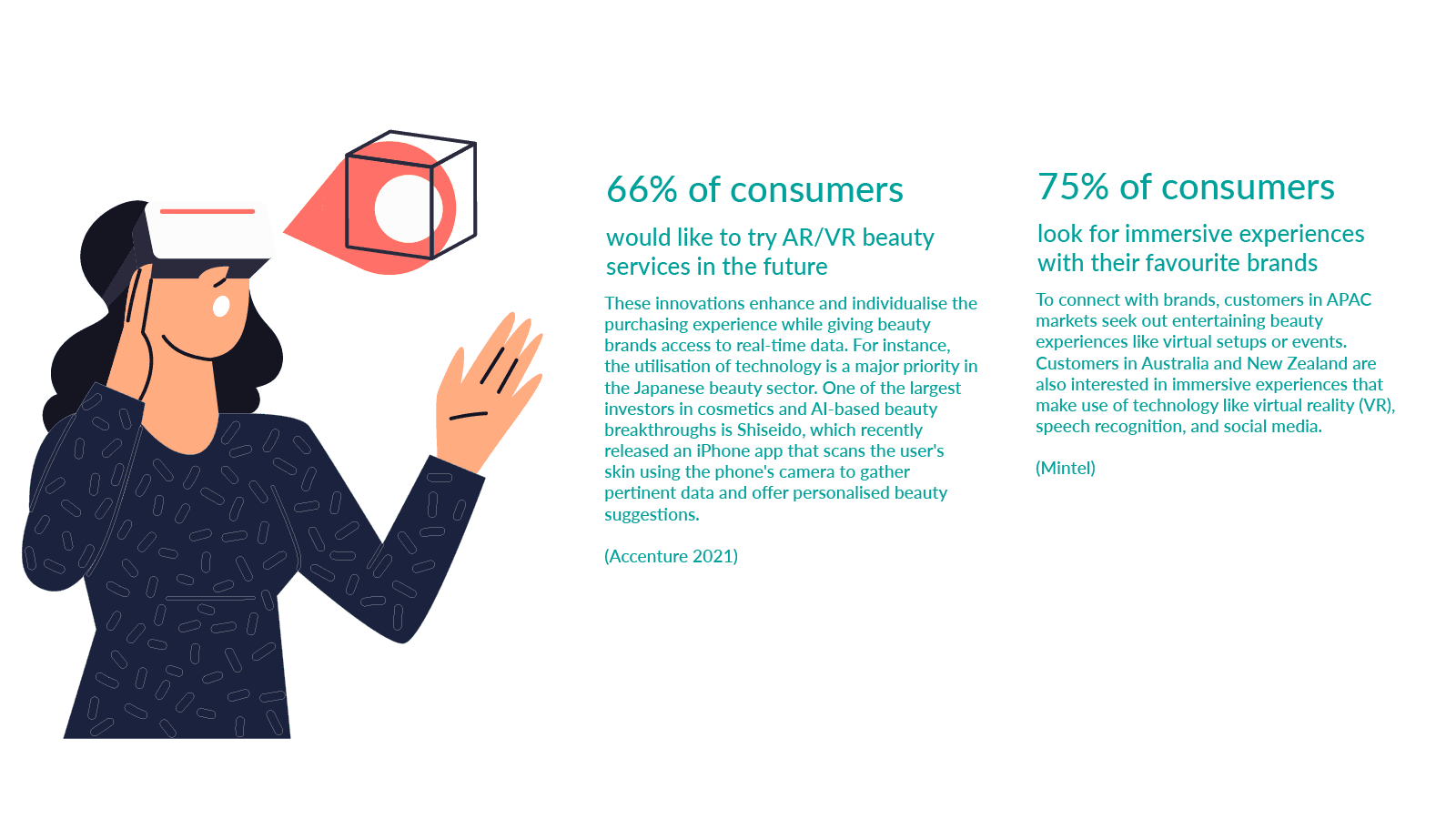
Industry Statistics
Exciting use cases in industry
Lancôme
With the capacity to identify up to 22,500 different skin tones, Lancôme Shade Finder offers accurate foundation shade matching and is available both in-store and online in more than 30 countries.
Yves Saint Laurent
Rouge Sur Mesure is an AI-enabled, at-home system offering the ultimate in lip colour personalization. With just a touch, the device analyses thousands of bespoke lip colour options to match the wearer's skin tone or attire, and within seconds, creates a customised shade that is kept in the detachable compartment for usage on-the-go.
SkinCeuticals
Customers will have access to a private, one-on-one video consultation with a licensed medical aesthetician through SkinCeuticals Pro 1:1 to get dermatological guidance online. This complimentary service will assess their skincare requirements and provide a tailored regimen.
Givenchy
The iconic fashion and cosmetics house launched an exclusive collection of 15 NFTs was produced by the French luxury brand in collaboration with Mexico based airbrush artist Chito at the back end of last year. The "Chito x Givenchy NFT" collection includes a variety of comical figures and symbols, some of which are animated and others of which have the Givenchy emblem.
L'Oréal
Period-tracking software Clue has teamed up with L'Oreal, to provide individualised hormone-related skincare advice. The partnership brings together Clue's leadership in reproductive health and L'Oréal's goals in beauty technology. Clue will also work with L'Oréal's Active Cosmetic Division and its clinical experts to create new, scientifically sound content on the menstrual cycle and skin health.
Key takeaways
Consumer interest in beauty and cosmetics apps is strong. It is matched by an appreciation for engaging interactive experiences that consumers can share with their friends and family, allowing them to connect further with health and beauty brands. Some of the largest cosmetic companies in the world are adopting this trend, to great success. That does not mean small and medium size companies in the industry shouldn’t take advantage of it: opportunities to build real brand connections with consumers are everywhere today, particularly if your goal is to reach a varied audience.